-
Блоги

Львович
новичок


Через "управление" страницы не получается.
Комментарии и обсуждения страницы Календарь знаменательных дат.
http://airbase.ru/cache/sites/airbase.ru/.../img/128/468x468/index.jpg [Image access forbidden: 404]
Убедительная просьба писать сюда только по теме, касающейся данной страницы!
http://airbase.ru/cache/sites/airbase.ru/.../img/128/468x468/index.jpg [Image access forbidden: 404]
Убедительная просьба писать сюда только по теме, касающейся данной страницы!

Компании Entropia удалось получить самое большое на сегодняшний день простое число
Компания Entropia, занимающаяся разработкой технологий распределенных вычислений на основе ПК, сообщила, что в рамках поддерживаемого ею проекта Great Internet Mersenne Prime Search удалось получить самое большое на сегодняшний день простое число - 2 в степени 13466917 минус 1, цифровая запись которого содержит 405396 символов. Оно относится к классу так называемых чисел Мерсенна - простых чисел, представляемых в виде 2 в степени p минус 1, где p - также простое.
Указанный класс назван по имени французского монаха Марина Мерсенна (1588-1648), занимавшегося изучением чисел приведенного вида. По словам специалистов, он является одним из самых важных в теории чисел и нашел достаточно широкое применение на практике в системах шифрования и эталонных вычислительных тестах.
Расчет самого большого простого числа проводился в распределенной системе Entropia Mersenne Grid. В нем принимало участие около 130 тыс. добровольцев, а количество задействованных компьютеров составило 210 тыс. Получить окончательный результат посчастливилось 20-летнему канадцу Майклу Камерону (Michael Cameron).
// Донтек
// PC News, 14:41 14.12.2001
В воскресенье в России отмечается день дальней авиации Военно-воздушных сил . Праздник учрежден в соответствии с приказом главкома ВВС, подписанным в 1999 году //«Газета.Ru»
В связи с чем желаю всем "дальникам" и всем, кто связан с ДА - полетов, полетов и еще раз полетов. Желаю - моря бесплатного керосина, штабелей КР (для учебных стрельб ), нормальных зарплат и нормальных жил. условий!
И еще раз: летать, летать, летать
В связи с чем желаю всем "дальникам" и всем, кто связан с ДА - полетов, полетов и еще раз полетов. Желаю - моря бесплатного керосина, штабелей КР (для учебных стрельб
 ), нормальных зарплат и нормальных жил. условий!
И еще раз: летать, летать, летать

Выпущен новый DivX 4.12
На сайте DivX появилась новая версия - 4.12. Изюминки новинки:
[ul type=square]
[*] Полная поддержка и оптимизация под Pentium 4
[*] Исправлена проблема на Pentium 4 при кодировании в режиме YUV12
[*] Исправлены многочисленные проблемы на VIA-чипсетах при кодировании/декодировании
[*] Добавлен ряд новых возможностей DivX (задел на будущее
)[/LIST]
// Мир NVIDIA
// PC News, 12:27 21.12.2001

NASA budget fiasco reaches new depths
13:19 21 December 01
Jeff Hecht
NASA's budgetary fiasco has reached the stage where
researchers are squabbling over amounts that are "not even
peanuts, but the salt on one peanut" compared to the
multi-billion dollar overruns on the International Space Station.
The flash point was a NASA decision to stop spending
$550,000 a year to run a deep-space radar system at the
305-metre Arecibo radio telescope in Puerto Rico. That radar
discovered ice at the poles of Mercury and revealed the first
double asteroid, but its funding comes from NASA's program to
survey potentially hazardous objects approaching the Earth.
Earlier in December, NASA quietly said it would stop radar
funding from 1 January 2002, but on Thursday the space agency
backtracked, and said it would spend a total of $400,000 during
this fiscal year, which ends 30 September 2002.
The U-turn came a day after the NASA Advisory Council
endorsed the recommendations of an independent task force to
scale back the ISS program. The Advisory Council said the
huge cost overruns "cannot be excused and must not be
ignored".
Dangerous asteroids
The $400,000 now pledged to Arecibo is a tiny sum compared
to the overall NASA budget of about $14 billion. However,
asteroid researchers consider it a crucial element in NASA's
annual $3.55 million program to hunt for dangerous asteroids.
"One single radar measurement can increase the precision of
an orbit by a factor of 10 to 1000," helping scientists predict the
paths of objects for centuries into the future, says Richard
Binzel of the Massachusetts Institute of Technology. The
funding required for proper asteroid hunting is "not even peanuts,
but the salt on one peanut", he says.
…
Дальше »»»
13:19 21 December 01
Jeff Hecht
NASA's budgetary fiasco has reached the stage where
researchers are squabbling over amounts that are "not even
peanuts, but the salt on one peanut" compared to the
multi-billion dollar overruns on the International Space Station.
The flash point was a NASA decision to stop spending
$550,000 a year to run a deep-space radar system at the
305-metre Arecibo radio telescope in Puerto Rico. That radar
discovered ice at the poles of Mercury and revealed the first
double asteroid, but its funding comes from NASA's program to
survey potentially hazardous objects approaching the Earth.
Earlier in December, NASA quietly said it would stop radar
funding from 1 January 2002, but on Thursday the space agency
backtracked, and said it would spend a total of $400,000 during
this fiscal year, which ends 30 September 2002.
The U-turn came a day after the NASA Advisory Council
endorsed the recommendations of an independent task force to
scale back the ISS program. The Advisory Council said the
huge cost overruns "cannot be excused and must not be
ignored".
Dangerous asteroids
The $400,000 now pledged to Arecibo is a tiny sum compared
to the overall NASA budget of about $14 billion. However,
asteroid researchers consider it a crucial element in NASA's
annual $3.55 million program to hunt for dangerous asteroids.
"One single radar measurement can increase the precision of
an orbit by a factor of 10 to 1000," helping scientists predict the
paths of objects for centuries into the future, says Richard
Binzel of the Massachusetts Institute of Technology. The
funding required for proper asteroid hunting is "not even peanuts,
but the salt on one peanut", he says.
…
Дальше »»»
Интересно, завершились ли испытания отечественной ракеты " воздух-воздух" сверхбольшой дальности, которой собираются осностить самолёты поколения 4+. Она ведь AIM-54C просто уделает.



Люди, нужна ваша помощь.
Надо написать статью про наш лучший военный самолет, а про что писать не знаю. Какой наш самолёт лучший?
Подскажите пожалуйста - очень надо!
Надо написать статью про наш лучший военный самолет, а про что писать не знаю. Какой наш самолёт лучший?
Подскажите пожалуйста - очень надо!
Попробовал обобщить чего у нас в области авиаракетного есть.
Оренбуржье крылатое
Грузите табуретки и дополнения бочками!
Оренбуржье крылатое
Грузите табуретки и дополнения бочками!


Транспортный самолет Ил-76 с техникой и членами экспедиции на борту взял старт накануне, передает ИТАР-ТАСС. Самолет пилотирует заслуженный летчик России Андрей Деревянко Этим авиалайнером в Антарктиду будет доставлен в разобранном виде самолет Ан-3 - модификация знаменитого "кукурузника" Ан-2. Работа по его модернизации проведена на Омском производственном объединении "Полет". В базовом лагере на Пэтриот Хиллз (Антарктида) Ан-3 будет собран. На нем будет доставляться оборудование и горючее для промежуточного лагеря - в 600 км от Южного полюса. Самолет будет пилотировать летчик-испытатель Сергей Тарасюк. После выполнения запланированных работ Ан-3 будет вновь разобран и загружен в Ил-76. Экспедиция вернется в Россию в начале января 2002 года.
Источник: Страна.Ру
Где можно почитать/узнать о судьбе контракта на поставку 16 МиГ-29 и 2 МиГ-29УБ в Малайзию в 1994г.? Чем дело кончилось?
Комментарии и обсуждения страницы Flanker 2.0 RIP.
Убедительная просьба писать сюда только по теме, касающейся данной страницы!
Убедительная просьба писать сюда только по теме, касающейся данной страницы!
Рожденный ползать летать может
Профессия летчика — это постоянный стресс, профессия летчика-испытателя — стресс втройне. В среднем каждый четвертый испытатель погибает. В 70-е годы из Качинского училища выпустилось 450 летчиков, из них 122 погибло. Из выпуска
1957 г. погиб каждый второй. Сами испытатели говорят: "наша работа — почти режим войны". На кладбище в Жуковском треть могил — могилы летчиков.
Сегодня их профессия стала такой же редкой, как профессия суфлера в театре. Не потому, что устарела, а потому, что заменить ушедших стало некем. Между тем все мы находимся в зависимости от этих людей. Ведь прежде чем выпустить в воздух новый самолет, его необходимо обкатать со всех сторон.
— Еще лет десять назад каждый мальчишка мечтал стать космонавтом или летчиком. А как сегодня становятся летчиками-испытателями?
— Испытатели выходят в основном из Качинского военного училища, а вот космонавты — из Черниговского. Я сам закончил Качинское, — рассказывает летчик-испытатель, Герой Советского Союза Сергей Борисов. — Школ, подобных нашей, всего три: в Англии, в США и во Франции. Прежде чем попасть сюда, я несколько лет проработал инструктором в армии, научил летать целый полк. Мы курсантами из училища выходили с налетом 200—300 часов, а сейчас офицеры приходят с таким налетом. Подготовка кадров настолько слабая, что доверять самолеты молодым пилотам просто нельзя. Из летных училищ выходят самоубийцы.
— И самоубийцы садятся за штурвал?
— Лет пять назад был такой случай. Пришел в школу человек с улицы, отлетавший на каком-то "кукурузнике" сорок часов, и говорит: "Я хочу быть летчиком-испытателем". Ему говорят: "Платите". Он заплатил миллион рублей, и его обкатали на всех машинах. Конечно, лицензию с таким стажем ему никто не выдаст, как испытатель он — ноль. Но сам факт!
— Когда катастрофы происходят на испытанных машина…
Дальше »»»
Министерство иностранных дел Эстонии ходатайствует (перед министерством иностранных дел Японии, наверное) о временном закрытии посольства в Токио, поскольку на его содержание не хватает средств.
Как сообщило в пятницу эстонское радио со ссылкой на пресс-службу внешнеполитического ведомства страны, ... От содержания своих посольств за последнее десятилетие отказывались только страны третьего мира.
Я плакаль ©
Как сообщило в пятницу эстонское радио со ссылкой на пресс-службу внешнеполитического ведомства страны, ... От содержания своих посольств за последнее десятилетие отказывались только страны третьего мира.
Я плакаль ©

 Экипажи космических кораблей. Приложение. Молчанов В.Е. О тех, кто не #21.12.2001 16:25 // Комментарии
Комментарии и обсуждения страницы Экипажи космических кораблей. Приложение. Молчанов В.Е. О тех, кто не вышел на орбиты .
Убедительная просьба писать сюда только по теме, касающейся данной страницы!
Убедительная просьба писать сюда только по теме, касающейся данной страницы!
Комментарии и обсуждения страницы Авиабайки.
Убедительная просьба писать сюда только по теме, касающейся данной страницы!
Убедительная просьба писать сюда только по теме, касающейся данной страницы!
Комментарии и обсуждения страницы Истоки развития космонавтики. Рубрика Аэрокосмической Библиотеки.
Убедительная просьба писать сюда только по теме, касающейся данной страницы!
Убедительная просьба писать сюда только по теме, касающейся данной страницы!

Речь о "Курске"
Началось с гневной отповеди практиков неграмотным журналистам по поводу неправильных терминов. В основном там мочили ( а он
отбивался как мог) Мамонтова за то, что он назвал комингс-камингсом. В целом правильно, тщательнее надо быть. Но вот какА поблема появилась-что за мат.часть, подводники того форума называют коммингс-площадкой? Я знаю что такое коммингс- это вертикальное ограждение люка. То есть это вертикальный бортик по периметру люка. Больше ничего. Как может окантовка люка сродниться с площадкой? Она по смыслу должна выступать над плоскостью(площадкой). И никак иначе. А вот на площадке вполне уместен спасательный люк с коммингсом. То есть правильнее спасательная площадка с люком( хотя тоже диковато).
По аналогии шлюпочная палуба.
Так вот может быть кто знает, когда и по какому поводу появилось это словообразование( ну нет его в словарях). Или это
испорченный телефон от злого подводника к усталому пресс атташе
и к наивному журналисту, а дальше по спирали?
Если не прав, прошу не обвинять в инсинуациях, а просто поправьте.


Lap
новичок
Интересует аэродинамика.
Какие силы приводят к раскручиванию ротора с ортогональной осью?
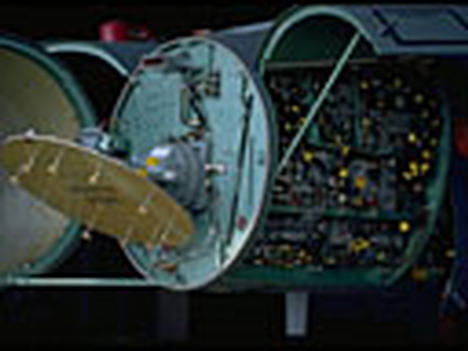
Комментарии и обсуждения страницы AN/APG-70, многофункциональная РЛС.

Убедительная просьба писать сюда только по теме, касающейся данной страницы!
Убедительная просьба писать сюда только по теме, касающейся данной страницы!
21 Dec 2001] /Коммерсант/
20 декабря американская авиастроительная компания Lockheed Martin Aeronautics сообщила, что Израиль намерен приобрести у нее дополнительно 52 истребителя F-16I на сумму $1,3 млрд.
Поставки истребителей на Ближний Восток, согласно сообщению Lockheed, начнутся в 2003 г. Часть доходов от израильского контракта компания, по имеющейся информации, предполагает направить на производство истребителей 5-го поколения
Joint Strike Fighter. Как отмечает Reuters, общее число боевых машин подобного типа, закупаемых Израилем в рамках оборонной программы Peace Marble V, достигло 102 экземпляров.
У меня вопрос, в осн. к живущим в Израиле: А собссно нахрена Израилю СТОЛЬКО? С кем воевать-то? Там чё, в регионе у кого-то есть столь серьезные ВВС?
И еще в порядке фантастики (хотя... кто знат, кто знат) - а почему бы правительству Израиля не пообсуждать с правительством России возможность получения для своих ВВС чего-нть вроде Су-30МК...? М.б. даже с возможностью доработок под специфические нужды специалистами Израиля???
20 декабря американская авиастроительная компания Lockheed Martin Aeronautics сообщила, что Израиль намерен приобрести у нее дополнительно 52 истребителя F-16I на сумму $1,3 млрд.
Поставки истребителей на Ближний Восток, согласно сообщению Lockheed, начнутся в 2003 г. Часть доходов от израильского контракта компания, по имеющейся информации, предполагает направить на производство истребителей 5-го поколения
Joint Strike Fighter. Как отмечает Reuters, общее число боевых машин подобного типа, закупаемых Израилем в рамках оборонной программы Peace Marble V, достигло 102 экземпляров.
У меня вопрос, в осн. к живущим в Израиле: А собссно нахрена Израилю СТОЛЬКО? С кем воевать-то? Там чё, в регионе у кого-то есть столь серьезные ВВС?
И еще в порядке фантастики (хотя... кто знат, кто знат) - а почему бы правительству Израиля не пообсуждать с правительством России возможность получения для своих ВВС чего-нть вроде Су-30МК...? М.б. даже с возможностью доработок под специфические нужды специалистами Израиля???
Комментарии и обсуждения страницы Ил-62, пассажирский самолёт, ОКБ С.В. Ильюшина.

Убедительная просьба писать сюда только по теме, касающейся данной страницы!

Убедительная просьба писать сюда только по теме, касающейся данной страницы!
РБК. 20.12.2001, Москва 10:45:42. Сборка первого самолета нового семейства Boeing 747-400LR повышенной дальности начнется в феврале 2002г. Инженеры компании Boeing выполнили на данный момент 90% конструкторских работ по пассажирской и грузовой моделям нового самолета, сообщили РБК в московском представительстве компании. В июне этот самолет покинет ангар завода в Эверетте, штат Вашингтон, а в октябре, на месяц раньше запланированного срока, после четырехмесячной программы летных испытаний, будет доставлен первому заказчику - авиакомпании Qantas Airways. Самолеты Boeing 747-400LR повышенной дальности по размеру не отличаются от лайнеров Boeing 747-400, находящихся в эксплуатации сегодня, но с их помощью авиакомпании и грузоперевозчики смогут выполнять полеты по маршрутам большей протяженности, что позволит увеличить объемы пассажирских и грузовых перевозок по существующим маршрутам. В результате внесенных в конструкцию самолета изменений общая взлетная масса грузовой и пассажирской модификаций большей дальности возрастет на 15870 кг. Таким образом, этот показатель у новых самолетов будет равен 412770 кг. Дальность полета у новой пассажирской модификации Boeing 747-400 увеличивается на 805 км, либо он может взять на борт большую полезную нагрузку (дополнительный груз или 416 пассажиров). Первый грузовой самолет Boeing 747-400 будет поставлен в октябре 2002г. компании International Lease Finance Corp., которая передаст его в лизинг авиакомпании Air France. Компания Boeing также ведет работы по созданию двух новых модификаций модели Boeing 777 большей дальности - Boeing 777-300ER (с увеличенной дальностью полета) и Boeing 777-200LR (большей дальности). Производство первой из этих двух модификаций - Boeing 777-300ER - начнется в середине 2002г.
Copyright © Balancer 1997..2026
Связь с владельцами и администрацией сайта: anonisimov@gmail.com, rwasp1957@yandex.ru и admin@balancer.ru.
Связь с владельцами и администрацией сайта: anonisimov@gmail.com, rwasp1957@yandex.ru и admin@balancer.ru.

