-
Блоги

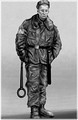
так почему же все-таки СССР не удалось получить линкор и нефтяные эсминцы у французов?
Во всех книгах по ЛК написано нечто невнятное вроде "из-за непростой международной обстановки и т.д.". Помню у Крылова было что-то в мемуарах, мол, старые были и запущенные. но не думаю, что корабли были намного хуже собратьев с БФ.
Так почему же не удалось их заполучить назад, хотя бы частично?
Заранее благодарю.

вот, выкопал мануал, составленный американскими шпиенами по Т-62. все что вы хотели узнать, но боялись спросить. читаем - и за рычаги! 


Aviapages.ru - авиабилеты, жд билеты, билеты на самолет, билеты на поезд, ж/д билеты, расписание рейсов, расписание поездов, табло аэропорта Домодедово, табло аэропорта Шереметьево, табло аэропорта Казань, табло аэропорта Пулково
Более 600 тысяч человек стали участниками программы "Статус"Из Новосибирска в Сочи в зимнем расписании с S7 AirlinesLufthansa опубликовала специальное расписание актуальное на время забастовки пилотов Специальное предложение от авиакомпании "Сингапурские Авиалинии" для пассажиров почтенного возрастаСпециальное предложение для юных пассажиров от авиакомпании "Сингапурские Авиалинии"Из Новосибирска в Москву с авиакомпанией «ВИМ-АВИА»Авиакомпания «Трансаэро» открывает рейс Москва - МурманскС запуском рейсов в Восточной Африке карта маршрутов flydubai достигает отметки в 80 направленийFinnair повышает премиальность экономичных перелетовПрямые рейсы в Симферополь с OrenairПассажиры Red Wings смогут застраховать багаж и здоровье при покупке авиабилета 19 августа 2014 в международном аэропорту "Казань" состоялась презентация нового регулярного направления по маршруту Казань-Хельсинк // www.aviaДальше »»»



Vovchik
втянувшийся
NEW 05.04.2005 / 11:05 США боятся потерять космос
США должны защищать свои космические активы и обеспечить свободу оборонных действий в космосе, заявил глава Стратегического командования США генерал Джеймс Картрайт. Об этом сообщает сайт KM.RU - новости, экономика, автомобили, наука и техника, кино, музыка, спорт, игры, анекдоты, курсы валют | KM.RU. "Сейчас мы пользуемся асимметричным преимуществом в космосе, но наши противники нас догоняют", - сообщил генерал на слушаниях в понедельник в сенатском комитете по вооруженным силам.
"Экономика США, качество нашей жизни и оборона нашей страны, - все это завязано на свободу наших действий в космосе", - подчеркнул глава стратегического командования.
По его словам, изменения в современных технологиях и, в частности, уменьшение размеров космических аппаратов, могут поставить под угрозу способность США вести разведывательную деятельность на орбите.
- А.Ж.
Как Вам нравится
 .
.Оказывается у американцев есть противники в космосе, интересно кто
?

Merlin
Merlin2
втянувшийся

Misato
новичок
Что делать?
А просто так не входит... =(((
sauron
новичок
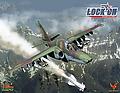
1. попробовать получит информацию о новейшем истребителе СУ-37, мы хотиим этот великий самолёт включить в лучший авиасимулятор Lock On горячие скалы (возможно слышали). На форуме игрыэто уже обсуждалось не раз, но всё упиралось в низнании всех мелочей и точностей без которых вся идея- прах. Даже кто может поделится любой информацией шлите на kingstom
 yandex.ru (мне нужна самая подробная информация)
2. задать личные вопросы по моделированию ихних самолётов. Особенно меня интересует подробности двигателей, а то уже надоело перестраивать его по нескольку раз, реализуя новые мысли. У меня нет условий и средств по 10 раз всё переделывать.
Зарание спасибо


Chaos
втянувшийся
выбивается из Mordeo, шанс 2/1510
оплата договорная

Archibald
втянувшийся
Мобы расположены строго на север от Ivory Tower (52,3/41) - агрессивных нет, но друг другу помогают.
Оплата - 1 000 000 адены + Chain Hood (C grade) шлем деф. 47.
Кто добудет рецепт просьба оставить о себе информацию в этом топе.

Вопрос : было ли это на самом деле ? Я слушал рассказ, смешно было и грустно. Без сомнения, порученец исполнял свои обязанности исправно и даже с блеском, но почему-то вспомнился другой порученец, давно покойный. На его могиле странная для многих надпись: «Погиб в бою с частями Советской Армии... 1953 г.». Летом: 53-го, в Подмосковье, он, полковник МГБ, до конца выполнил свои обязанности, защищая вместе с охраной госдачу Хозяина от штурмующих армейских частей. Наверно, отлично понимал, что силы слишком не равны и шансов нет никаких: не убьют сегодня, так расстреляют завтра. Очень уж много личных поручений было с блеском выполнено. Хреновая должность.

shadowbullder
GM и модератор

ПВО ВС 2670
SA-4 0/300
Стрела-2(SA-7) 5000/5000
Стрела-3(SA-14) 2500/2500
Игла-1(SA-16) 500/500
Игла(SA-18) 500/500
2К12(SA-6) 400/350
9К33(SA-8) 550/550
Стрела-1(SA-9) 300/300
Бук(SA-11) 250/250
С-300В(SA-12) 200/200
Стрела-10(SA-13) 350/350
Тор(SA-15) 120/120
9М311(SA-19) 256/256
ПВО (ВВС)
с-300пххх 1900
ВСЕ !!!.
так-что если кто-то начинает утверждать что в РФ ВС есть 5 бригад с-300В прошу указывать дислокацию и состав ...
а то уже достало ...
Study Faults Army Vehicle
Use of Transport in Iraq Puts Troops at Risk, Internal Report Says
By R. Jeffrey Smith
Washington Post Staff Writer
Thursday, March 31, 2005; Page A01
The Army has deployed a new troop transport vehicle in Iraq with many defects, putting troops there at unexpected risk from rocket-propelled grenades and raising questions about the vehicle's development and $11 billion cost, according to a detailed critique in a classified Army study obtained by The Washington Post.
The vehicle is known as the Stryker, and 311 of the lightly armored, wheeled vehicles have been ferrying U.S. soldiers around northern Iraq since October 2003. The Army has been ebullient about the vehicle's success there, with Gen. Peter J. Schoomaker, the Army chief of staff, telling the House Armed Services Committee last month that "we're absolutely enthusiastic about what the Stryker has done."
But the Army's Dec. 21 report, drawn from confidential interviews with operators of the vehicle in Iraq in the last quarter of 2004, lists a catalogue of complaints about the vehicle, including design flaws, inoperable gear and maintenance problems that are "getting worse not better." Although many soldiers in the field say they like the vehicle, the Army document, titled "Initial Impressions Report — Operations in Mosul, Iraq," makes clear that the vehicle's military performance has fallen short.
The internal criticism of the vehicle appears likely to fuel new controversy over the Pentagon's decision in 2003 to deploy the Stryker brigade in Iraq just a few months after the end of major combat operations, before the vehicle had been rigorously tested for use across a full spectrum of combat.
The report states, for example, that an armoring shield installed on Stryker vehicles to protect against unanticipated attacks by Iraqi insurgents using low-tech weapons works against half the grenades used t…
Дальше »»»

Use of Transport in Iraq Puts Troops at Risk, Internal Report Says
By R. Jeffrey Smith
Washington Post Staff Writer
Thursday, March 31, 2005; Page A01
The Army has deployed a new troop transport vehicle in Iraq with many defects, putting troops there at unexpected risk from rocket-propelled grenades and raising questions about the vehicle's development and $11 billion cost, according to a detailed critique in a classified Army study obtained by The Washington Post.
The vehicle is known as the Stryker, and 311 of the lightly armored, wheeled vehicles have been ferrying U.S. soldiers around northern Iraq since October 2003. The Army has been ebullient about the vehicle's success there, with Gen. Peter J. Schoomaker, the Army chief of staff, telling the House Armed Services Committee last month that "we're absolutely enthusiastic about what the Stryker has done."
But the Army's Dec. 21 report, drawn from confidential interviews with operators of the vehicle in Iraq in the last quarter of 2004, lists a catalogue of complaints about the vehicle, including design flaws, inoperable gear and maintenance problems that are "getting worse not better." Although many soldiers in the field say they like the vehicle, the Army document, titled "Initial Impressions Report — Operations in Mosul, Iraq," makes clear that the vehicle's military performance has fallen short.
The internal criticism of the vehicle appears likely to fuel new controversy over the Pentagon's decision in 2003 to deploy the Stryker brigade in Iraq just a few months after the end of major combat operations, before the vehicle had been rigorously tested for use across a full spectrum of combat.
The report states, for example, that an armoring shield installed on Stryker vehicles to protect against unanticipated attacks by Iraqi insurgents using low-tech weapons works against half the grenades used t…
Дальше »»»
У меня такой вопрос... может ли на вооружении у СБ крупной компании находится автоматическое оружие с глушителем и гранаты на законных основаниях ?

Собственно сходил с подругой на этот фильм. Прикольная киношка. Забавно было посмотреть на Ривза в образе эдакого брутального типа. ИМХО - неплохо получилось. Красивые спецэффекты и неплохой стеб на тему рая и ада. Особый респект актрисе, игравшей Габриэль. Это что-то. Кстати заодно респект за антирекламу табака в стиле "Минздрав последний раз предупреждает" 



Рядовые члены БДМ комментировать "Основные условия" категорически отказались, правда, по секрету сказали, что особого согласия во фракции по этому документу не было. Четкого ответа от лидера блока Серафима Урекяна журналисты тоже не получили. "Никаких требований мы не выдвигали", - заявил Серафим Александрович. - "Мы просто обрисовали круг вопросов, по которым хотели бы получить ясные ответы от главы государства". "А как отнесся к ним Президент?" - поинтересовались журналисты. "С некоторыми он согласился, с некоторыми нет. Сейчас над нашим документом работает специальная комиссия", - ответил г-н Урекян и добавил, что БДМ пока так и не определился, участвовать ему в президентск…
Дальше »»»


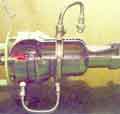
Сайт посвященный разработке PDE - Pulsed Detonation Engine (пульсирующий детонационный двигатель) при участии НАСА.
На сайте много интересных видеоклипов и картинок, таких как

Насколько я понял в 2005г планируется запуск самолета с таким двигателем, Берт Рутан участвует.

HTTP 503 Страница временно недоступна
Создать сайт бесплатно Ошибка Страница недоступнаНазад Вы можете попробовать: - вернуться сюда через некоторое время; - проверить правильность введенного адреса в адресной строке браузера; - воспользоваться поиском по всему интернету и найти то, что искали: Общая информация ТОП сайтов Все проекты Блог Форум Вконтакте Twitter FAQ Учебник Партнерская сеть Условия использования Конфиденциальность Создать сайт бесплатно Создать сайт бесплатно Ошибка Страница недоступнаНазад Вы можете попробовать: - вернуться сюда через некоторое время; - проверить правильность введенного адреса в адресной строке браузера; - воспользоваться поиском по всему интернету и найти то, что искали: Ошибка Страница недоступнаНазад Вы можете попробовать: - вернуться сюда через некоторое время; - проверить правильность введенного адреса в адресной строке браузера; - воспользоваться поиском по всему интернету и найти то, что… // Дальше — www.filas.narod.ruПолучено общее уравнение удельного импульса фотонного двигателя (электрон + позитрон) для зеркала произвольной формы.
Готовлю на рассмотрение частные случаи (плоское, коническое и др. зеркала), но сначала хотелось бы проверить основу…
Дальше »»»

Но может, есть какой-нть способ обойти это дело?

Elmore
новичок
-В данный момент установлен с1 с убранными багами застревания, матильды и покупкой гвардов в замке.
-Набираем народ для онлайна и начнем тестировать скиллы из с2 и страйдеров.
-Рейты 4 4 6 3 3 сп.экспа.деньги.дроп.споил
-Приглашаем всех начать играть на нашем сервере.
-Более подробную информацию вы можете найти здесь:
http://83.222.5.143/help.html
А Су-24, Ту-22М, Ту-95 могли ? Если нет, то почему?
Хотелось бы услышать ответы более осведомлённых товарищей.
Copyright © Balancer 1997..2026
Связь с владельцами и администрацией сайта: anonisimov@gmail.com, rwasp1957@yandex.ru и admin@balancer.ru.
Связь с владельцами и администрацией сайта: anonisimov@gmail.com, rwasp1957@yandex.ru и admin@balancer.ru.


