-
Блоги

parkman
втянувшийся
Да и рад был бы пообщаться по поводу прочей пассажирской и транспортной авиации тех лет. Увы, редко бываю на форуме, но и-мыл и ася указаны, так что буду рад....

Прошу бывалых командиров второй части B-17 сказать до какой степени (звания, медали) им удалось вознаградить свой экипаж.
Сам имею 18 успешных боевых вылетов, при этом 0 повышений, и лишь пара медалей стрелкам. Обидно, блин ...
С уважением Den"Smollet".
Сам имею 18 успешных боевых вылетов, при этом 0 повышений, и лишь пара медалей стрелкам. Обидно, блин ...
С уважением Den"Smollet".
Комментарии и обсуждения страницы ДРЛО.
Убедительная просьба писать сюда только по теме, касающейся данной страницы!
Убедительная просьба писать сюда только по теме, касающейся данной страницы!


другой гаварит что это были не F-16 а F-4 но он гаварит что самая большая проблема была что Су-33 не мог комунецировать с авианосцом и таким образом авианосец не мог предупредить об опасности
кокайта главная часть небыла встроена
третий говщрит что он тоже гдето читал про этот случий и что Су-33 блогадаря маневриности и большой скорости успешно смылся
четвертый подтверждает что это были израильские F-16
может ктото знает подробности про этот случий напишите
[ 26-12-2002: Message edited by: Super FLANKER ]

 Нейтронная голография /// Рассеяние позитрония /// Сверхпроводимость л #16.10.2002 12:13 // Научно-технический
NEUTRON HOLOGRAPHY with atomic-scale resolution has been performed,
for the
first time, with an "inside-detector" approach. Holography
generally
includes a source of illuminating waves, an object to be imaged, and a
detector or film in which waves direct from the source interfere with
waves
scattered from parts of the object. The interference pattern, stored
in the
detector medium, is later read out (and a 3D image of the object
viewed) by
sending waves into the detector. Holograms with visible light are
common
enough: they adorn most credit cards. Holograms using electrons
(considered
in their "wave" manifestation, not as particles) provide
sharp pictures, but
because the electrons cannot penetrate far into a solid sample, the
imaging
process is usually restricted to surface regions. Holograms using x
rays go
can penetrate much farther, but their limitation consists of the fact
that
the penetration depth improves as the square of the atomic number.
Therefore x-holography is not very good for materials with light
elements.
Holograms with neutrons are different; rather than scattering from the
electrons in the atoms of the sample, neutrons scatter only from
nuclei,
which are 100,000 times smaller than the atoms in which they reside.
This
is important when it comes time to reconstruct an image of the
interior of a
crystal lattice. In an experiment carried out with a beam of
neutrons from
a reactor at the Institute Laue-Langevin in Grenoble, a group of
scientists
has produced, for the first time, an atomic-scale map of a crystal, in
particular a sample of lead atoms, using a technique in which the
"detector," a trace amount of atoms (cadmium-113) whose
nuclei readily
absorb neutrons, are embedded inside the sample itself. The
…
Дальше »»»

for the
first time, with an "inside-detector" approach. Holography
generally
includes a source of illuminating waves, an object to be imaged, and a
detector or film in which waves direct from the source interfere with
waves
scattered from parts of the object. The interference pattern, stored
in the
detector medium, is later read out (and a 3D image of the object
viewed) by
sending waves into the detector. Holograms with visible light are
common
enough: they adorn most credit cards. Holograms using electrons
(considered
in their "wave" manifestation, not as particles) provide
sharp pictures, but
because the electrons cannot penetrate far into a solid sample, the
imaging
process is usually restricted to surface regions. Holograms using x
rays go
can penetrate much farther, but their limitation consists of the fact
that
the penetration depth improves as the square of the atomic number.
Therefore x-holography is not very good for materials with light
elements.
Holograms with neutrons are different; rather than scattering from the
electrons in the atoms of the sample, neutrons scatter only from
nuclei,
which are 100,000 times smaller than the atoms in which they reside.
This
is important when it comes time to reconstruct an image of the
interior of a
crystal lattice. In an experiment carried out with a beam of
neutrons from
a reactor at the Institute Laue-Langevin in Grenoble, a group of
scientists
has produced, for the first time, an atomic-scale map of a crystal, in
particular a sample of lead atoms, using a technique in which the
"detector," a trace amount of atoms (cadmium-113) whose
nuclei readily
absorb neutrons, are embedded inside the sample itself. The
…
Дальше »»»

ddsat
новичок
И почему раньше модернизированные корабли предварительно пускали в беспилотном варианте, а теперь не запускают.
Или глубина модернизации КК "Союз" незначительна?
Американцы, вон на "Шатле" трещинку нашли. так почти полгода не летали.


Психологический форум, топик "Была ли польза в инквизиции", стр.1 В остальных топиках у меня страницы всегда автформатились по ширине окна - хоть при дефолтном размере оного, хоть на полном экране, а здесь... в полтора раза шире моего полноэкранного окна браузера. Неудобно, млин! Это у всех такой глюк или у меня только?
ЗЫ Ссылку вставлял ХТМЛ-ем, посмотрим, как он здесь работает...

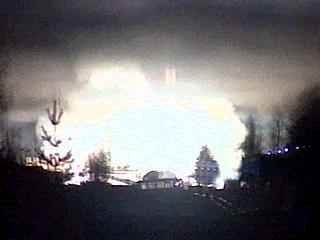
 На космодроме «Плесецк» взорвался ракетоноситель. Е #16.10.2002 08:12 // Новости околоземной космонавтики
Как сообщает ИТАР-ТАСС со ссылкой на заместителя начальника ГУ ГО и ЧС Архангельской области Олега Быстрова, взрыв произошел на 16-й (по данным "Росавиакосмоса" - на 20-й) секунде после старта. Какой-либо другой информации военные пока не дают.
Известно, что ракета-носитель "Союз-5" должна была вывести на орбиту международный исследовательский аппарат "Фотон-М". По предварительным данным, авария произошла из-за отказа двигателя второй ступени.
Как заявил пресс-секретарь главы "Росавиакосмоса" Сергей Горпунов, "Очевидцы запуска отмечают нештатную работу ракеты и выхлопы необычного темного цвета. Взорвавшись, ракета рухнула в лес примерно в километре от стартовой площадки. Начался пожар, который к настоящему моменту удалось потушить".
Все пострадавшие госпитализированы, данные о полученных ими травмах не обнародуются.
На месте аварии работает государственная комиссия под руководством заместителя главы "Росавиакосмоса" Юрия Полищука.
16.10.2002 09.36 Магнолия-ТВ




РБК. 15.10.2002, Тулуза 20:05:56. Филиал европейского авиастроительного концерна EADS, крупнейший в Европе производитель спутников Astrium планирует сократить к концу 2003г. на своих заводах во Франции 500 рабочих мест, сообщило сегодня руководство компании. В настоящее время французское подразделение Astrium насчитывает 2,6 тыс. сотрудников, большая часть которых работает на заводе в Тулузе. Таким образом, сегодня компания официально подтвердила информацию, которую распространил 25 сентября 2002г. французский профсоюз CFE-CGC.
Президент компании Антуан Бувье объяснил необходимость сокращения рабочих мест "крайне сложным" финансовым положением Astrium, передает AFP. По его словам, для того чтобы сохранить рентабельность компании потребуется к концу 2003г. сократить свои расходы как минимум на 20%.

Upminder
новичок
"Пехота делилась на легионы и вспомогательные отряды. Термин “легион” происходит от слова “отбирать”. В состав легиона входили 6100 пехотинцев, 730 всадников и, кроме того, вспомогательные отряды (легко вооруженных), которые в бою являлись поддержкой; “...будучи во всех отношениях целостным, не нуждаясь ни в какой внешней помощи, — такой легион обычно может победить какую угодно толпу врагов”
"Далее Вегеций описывает организацию, вооружение и техническое оснащение римского легиона. Легион состоял из 10 когорт, из которых первая превосходила остальные численно и достоинствами воинов; она состояла из 1150 пехотинцев и 132 всадников. Остальные когорты имели по 550 пехотинцев и 66 всадников. Каждая когорта имела пять центурий (манипул) по 110 пехотинцев и две турмы всадников по 32 человека. Центурия состояла из 10 палаток по 10 человек в каждой, которыми командовали капралы (главы палаток)."
"Большое значение, как указывает Вегеций, имеет организация снабжения армии. Поэтому прежде, чем начать войну, надо произвести заготовку всего необходимого, собрав запасы в укрепленных местах. “Во всяком походе лучшее твое оружие — чтобы у тебя была в изобилии пища, а врага страдали от голода”48. Вегеций требует также уделять особое внимание санитарному состоянию войска."
ancient.holm.ru
SSL: no alternative certificate subject name matches target host name 'www.ancient.holm.ru' // www.ancient.holm.ruДальше »»»
ПОДРУГА ПРИСЫЛАЕТ ОБЬЯВУ В БРАЧНОЕ АГЕНСТВО :
Несколько слов обо мне. Класс Представительский. Год выпуска - Август 1977. Пробег 25. Цвет - Хамелеон (родная). Рост 170 см. Вес н/у. Фары голубые. Airbag. Габариты: 90-65-95. Эксплуатация бережная, летняя. Гаражное хранение. Документы - на руках. Кузов - не битый, не ржавый, не гнилой (антикор). Тип топлива - низкооктановое: Miller, Corona. Трансмиссия - КПП Ручная 5-ступенчатая. Крыша - на месте (без присмотра подвержена деформации). Тормоза с ABS (ручник отсутствует). Масло Movenpick Maple Walnuts. Суперсовременная (титановая) защита картера от "Дикой Орхидеи" (с технологическим отверстием для слива масла). Идеальное состояние. Всё новое. Все опции. Заводится с пол-оборота. Готова к зимней эксплуатации. Предпродажная подготовка. Эффективная система контроля за выхлопными газами. Количество предыдущих владельцев не установлено.
Что мне хотелось бы найти в Вас. Требуется водитель extra-класса, способный самостоятельно установить противоугонную систему. Отдаётся строго по доверенности или с полным переоформлением. Условия и место проведения тест- драйва - обычный по выходным в центре города. Посредников просьба не беспокоиться. Фото водителя обязательно."
МУЖИК ПРИСЫЛАЕТ ОТВЕТ :
Недурно, но думается мне, будет ряд проблем. Прежде всего, машинка эта идёт под замену поршней, и не факт, что штатный размер, который вы туда попытаетесь установить, не будет люфтить. Ведь блок наверняка источен, надо будет или делать гильзовку, или придумывать, как утолщать сами поршни. Опять же, несмотря на то, что модель распространённая, грамотную диагностику и дефектовку ей своими руками сделать будет сложно, а грамотных сервисов, способных взяться за осмотр, отдефектовать возможные проблемы и болезни, изучить, так сказать, всю поднагодную найти непросто. Да и денег за такого рода обслуживание попросят немалых.
К тому же, при таких ТТХ, означенное транспортное средство может иметь крими…
Дальше »»»

Несколько слов обо мне. Класс Представительский. Год выпуска - Август 1977. Пробег 25. Цвет - Хамелеон (родная). Рост 170 см. Вес н/у. Фары голубые. Airbag. Габариты: 90-65-95. Эксплуатация бережная, летняя. Гаражное хранение. Документы - на руках. Кузов - не битый, не ржавый, не гнилой (антикор). Тип топлива - низкооктановое: Miller, Corona. Трансмиссия - КПП Ручная 5-ступенчатая. Крыша - на месте (без присмотра подвержена деформации). Тормоза с ABS (ручник отсутствует). Масло Movenpick Maple Walnuts. Суперсовременная (титановая) защита картера от "Дикой Орхидеи" (с технологическим отверстием для слива масла). Идеальное состояние. Всё новое. Все опции. Заводится с пол-оборота. Готова к зимней эксплуатации. Предпродажная подготовка. Эффективная система контроля за выхлопными газами. Количество предыдущих владельцев не установлено.
Что мне хотелось бы найти в Вас. Требуется водитель extra-класса, способный самостоятельно установить противоугонную систему. Отдаётся строго по доверенности или с полным переоформлением. Условия и место проведения тест- драйва - обычный по выходным в центре города. Посредников просьба не беспокоиться. Фото водителя обязательно."
МУЖИК ПРИСЫЛАЕТ ОТВЕТ :
Недурно, но думается мне, будет ряд проблем. Прежде всего, машинка эта идёт под замену поршней, и не факт, что штатный размер, который вы туда попытаетесь установить, не будет люфтить. Ведь блок наверняка источен, надо будет или делать гильзовку, или придумывать, как утолщать сами поршни. Опять же, несмотря на то, что модель распространённая, грамотную диагностику и дефектовку ей своими руками сделать будет сложно, а грамотных сервисов, способных взяться за осмотр, отдефектовать возможные проблемы и болезни, изучить, так сказать, всю поднагодную найти непросто. Да и денег за такого рода обслуживание попросят немалых.
К тому же, при таких ТТХ, означенное транспортное средство может иметь крими…
Дальше »»»

ZiP
новичок
желательно быстрогорящих.


test
кто занимается
геостационарными спутниками, имеется виду фирма в России. Вообще нужна замена метеолокатора МРЛ-1
геостационарными спутниками, имеется виду фирма в России. Вообще нужна замена метеолокатора МРЛ-1

Старый
Вуду>>- Посчитайте ещё раз количество самолётов из приведённого документа. Хватит уже сказки про фанерные И-16 рассказывать, про советских лётчиков - десятков тысяч дебилов "от сохи" и т.п.
>"Это вы про громадьё планов? Вы почитайте на сколько процентов они выполнялись. Да чего там читать планы? Вы посчитайте сколько цельнометаллических самолётов НА САМОМ ДЕЛЕ было построено в период 39-40 гг."
- А вы на дерево-то очень сильно не грешите, уважаемый! Такая вешь, как "дельта-древесина", например - фанерный шпон, пропитанный смолами, спресованный и термообработанный, по многим показателям превосходил магниевые сплавы. Самый распространённый материал того времени. И вообще, при слове "фанера" у обывателя возникает образ фанеры для почтовых ящиков, которая крошится в руках и занозы из неё торчат во все стороны. А вы держали когда-нибудь в руках лист авиационной фанеры, трехслойной, толщиной 1мм? Склееной, опять же, не столярным клеем, а пластиком! И воды она ни черта не боится... И гнить - не гниёт...
И сравнивайте ещё раз:
- 1515 самолётов-бомбардировщиков у Гитлера (из них 1040 - годны для полётов) на 13.08.40г.
- 6534 самолётов-бомбардировщиов у Сталина (возьмём тот же процент годных - будет 4356) на 1.01.40 (разница в 4.5 месяца большой роли не играет). Пусть у Сталина не все они - цельнометаллические - что с того? НО ИХ - В 4 РАЗА БОЛЬШЕ!
Да начхать, из чего сделаны нервюры киля и руля направления, например! На аэродинамику это никак не влияет, следовательно на ТТХ - тоже.
Вот ещё вам сюрприз: истребительная авиация Гитлера на 13.09.40г - тип-всего/пригодных к полётам:
Bf-109E - 944/821
Bf-110C - 248/201
Bf-110D - 55/45
всего: 1247/1067
А вот у Сталина истребителей на 1.01.41: 8765 (7450, если брать процент готовы аналогично немецким). Правда, не все они цельнометаллические, это…
Дальше »»»
Вуду>>- Посчитайте ещё раз количество самолётов из приведённого документа. Хватит уже сказки про фанерные И-16 рассказывать, про советских лётчиков - десятков тысяч дебилов "от сохи" и т.п.
>"Это вы про громадьё планов? Вы почитайте на сколько процентов они выполнялись. Да чего там читать планы? Вы посчитайте сколько цельнометаллических самолётов НА САМОМ ДЕЛЕ было построено в период 39-40 гг."
- А вы на дерево-то очень сильно не грешите, уважаемый! Такая вешь, как "дельта-древесина", например - фанерный шпон, пропитанный смолами, спресованный и термообработанный, по многим показателям превосходил магниевые сплавы. Самый распространённый материал того времени. И вообще, при слове "фанера" у обывателя возникает образ фанеры для почтовых ящиков, которая крошится в руках и занозы из неё торчат во все стороны. А вы держали когда-нибудь в руках лист авиационной фанеры, трехслойной, толщиной 1мм? Склееной, опять же, не столярным клеем, а пластиком! И воды она ни черта не боится... И гнить - не гниёт...
И сравнивайте ещё раз:
- 1515 самолётов-бомбардировщиков у Гитлера (из них 1040 - годны для полётов) на 13.08.40г.
- 6534 самолётов-бомбардировщиов у Сталина (возьмём тот же процент годных - будет 4356) на 1.01.40 (разница в 4.5 месяца большой роли не играет). Пусть у Сталина не все они - цельнометаллические - что с того? НО ИХ - В 4 РАЗА БОЛЬШЕ!
Да начхать, из чего сделаны нервюры киля и руля направления, например! На аэродинамику это никак не влияет, следовательно на ТТХ - тоже.
Вот ещё вам сюрприз: истребительная авиация Гитлера на 13.09.40г - тип-всего/пригодных к полётам:
Bf-109E - 944/821
Bf-110C - 248/201
Bf-110D - 55/45
всего: 1247/1067
А вот у Сталина истребителей на 1.01.41: 8765 (7450, если брать процент готовы аналогично немецким). Правда, не все они цельнометаллические, это…
Дальше »»»
Комментарии и обсуждения страницы ВМФ США.
Убедительная просьба писать сюда только по теме, касающейся данной страницы!
Убедительная просьба писать сюда только по теме, касающейся данной страницы!

Streamflow>Откуда данные по "Протону"?
Восемь дней назад я задал этот вопрос на постинге "Шаттл - ошибка или прорыв?" и до сих пор не получил ответа. Либо TEvg только пишет, но ничего не читает из написанного другими, либо он не хочет отвечать, что может означать, что это утвержение взято с потолка. Так ли это, TVeg?
Вот такие союзники. И ничего что под Севастополем 90 лет назад был другой корабль и другие люди.
Американское Агентство перспективных оборонных исследований DARPA подписало контракт стоимостью $5,5 млн. на разработку прототипа полностью автоматической боевой машины UGCV (unmanned ground combat vehicle) под названием Spinner ("Волчок").
Генеральный подрядчик - Национальный консорциум роботостроения NREC (National Robotics Engineering Consortium) при университете Карнеги-Меллона. Субподрядчиками являются компании Boeing, PEI Electronics и Timoney Technology. Boeing разрабатывает шасси машины с использованием новейших композитных материалов и технологических процессов. В UGCV будет реализована перспективная компоновочная схема, обеспечивающая исключительную надежность и устойчивость к авариям.
Ирландская компания Timoney разрабатывает для Spinner уникальную подвеску и привод, позволяющие машине продолжать движение даже после переворота вверх колесами. Компания PEI из г. Хантсвилл, штат Аляска, разрабатывает для нового автомобиля батареи и систему управления, а также аппаратное и программное обеспечение. Окончательная сборка машины будет осуществляться специалистами университета Карнеги-Меллона в г. Питтсбург.
Spinner представляет собой первую попытку создания полностью автоматической боевой наземной машины, которая сможет действовать в районах с любым рельефом местности. При полной массе (с боекомплектом) 7570 кг Spinner будет иметь шестиколесное шасси с подвеской, позволяющей машине двигаться даже в перевернутом состоянии, и автономный привод каждого колеса с помощью размещенных в них двигателей производства компании UQM Technologies с высоким крутящим моментом, которые находятся непосредственно на колесах.
В настоящее время университет Карнеги-Меллона уже сотрудничает с компанией UQM и в разработке перспективной боевой машины-робота TUGV (tactical unmanned ground vehicle) под названием Gladiator для корпуса морской пехоты США. TUGV должен стат…
Дальше »»»
Copyright © Balancer 1997..2026
Связь с владельцами и администрацией сайта: anonisimov@gmail.com, rwasp1957@yandex.ru и admin@balancer.ru.
Связь с владельцами и администрацией сайта: anonisimov@gmail.com, rwasp1957@yandex.ru и admin@balancer.ru.


