-
Блоги
Крупнейшие российские авиастроительные фирмы АВПК "Сухой" и РСК "МиГ" не будут представлять натурные образцы своих самолетов на предстоящем авиасалоне в Ле Бурже (Франция).
"Вчера мы получили соответствующее распоряжение из Росавиакосмоса. Основанием является опасность ареста наших самолетов по искам фирмы NOGA, — заявил начальник пресс-службы АВПК "Сухой" Юрий Черваков.
Ранее гендиректор АВПК "Сухой" Михаил Погосян заявлял, что участие боевых самолетов разработки ОКБ "Сухой" в Ле Бурже будет зависеть от результатов судебного решения по швейцарской фирме NOGA, которая два года назад во Франции попыталась арестовать российские самолеты Су-30 МК и МиГ АТ.
Напомним, что швейцарская фирма NOGA по договорам с правительством СССР и РСФСР в 1990-х годах поставила нашей стране продовольствия и предоставила кредиты на общую сумму порядка $1 млрд. Расчет производился поставкой нефтепродуктов.
В 1994 году "Нога" подала иск в стокгольмский суд в связи с невыполнением Российской Федерацией своих обязательств по заключенным договорам. В феврале 1997 года суд подтвердил, что задолженность России швейцарской фирме NOGA составляет порядка $23 млн. В настоящее время истец настаивает на том, что долг увеличился примерно до $70 млн.
"Вчера мы получили соответствующее распоряжение из Росавиакосмоса. Основанием является опасность ареста наших самолетов по искам фирмы NOGA, — заявил начальник пресс-службы АВПК "Сухой" Юрий Черваков.
Ранее гендиректор АВПК "Сухой" Михаил Погосян заявлял, что участие боевых самолетов разработки ОКБ "Сухой" в Ле Бурже будет зависеть от результатов судебного решения по швейцарской фирме NOGA, которая два года назад во Франции попыталась арестовать российские самолеты Су-30 МК и МиГ АТ.
Напомним, что швейцарская фирма NOGA по договорам с правительством СССР и РСФСР в 1990-х годах поставила нашей стране продовольствия и предоставила кредиты на общую сумму порядка $1 млрд. Расчет производился поставкой нефтепродуктов.
В 1994 году "Нога" подала иск в стокгольмский суд в связи с невыполнением Российской Федерацией своих обязательств по заключенным договорам. В феврале 1997 года суд подтвердил, что задолженность России швейцарской фирме NOGA составляет порядка $23 млн. В настоящее время истец настаивает на том, что долг увеличился примерно до $70 млн.


Faern
новичок
Кто-нибудь знает, какие были первые ТСО и когда они появились в СССР?
По данным obereg.ru , в 1964 году началось производство станционного аппарата ГАММА, электромеханических датчиков ЭМД, инфракрасных датчиков ЛУЧ-1, емкостных датчиков ЕД-1. Однако, где-то я читал, что ещё лев Термен продемонстрироал свой аппарат Ленину и высказал идею о том, что на том же принципе можно сделать емкостные датчики для сигнализации. После этого, Ленин распорядился оборудовать такими штуками гохран. Значит, ещё в середине 20-х годов уже были ёмкостнын датчики?
Вот сейчас - видеонаблюдение, ИК-датчики, объёмные датчики и т.п., а вот в 40-х годах, до транзисторов что было на всяческих секретных объектах? Просто "человек с ружьём"?
В фидо конференции кинули ссылочку: http://epizodsspace.narod.ru/bibl/biblioteka.htm
Ох и много-же там интересного!
Особенно понравилас вот эта книга 70-ого года: "Космическая эра. Прогнозы на 2001 год."
Есть там такие интересные главы как
"Лунный космический транспорт в 2001 г."
"Полеты к планетам солнечной системы"
"Будут ли нужны в 2001 г. космопорты для туристов?"
и прочее.
Жаль, что всего этого не осуществили... пока не осуществили!
Есть там и такое:
"Хроника одного путешествия или повесть о первом луноходе"
"Королёв: факты и мифы."
"Космические катастрофы"
"Правда о программе APOLLO."
эх... всего и не перечислишь!

Ох и много-же там интересного!

Особенно понравилас вот эта книга 70-ого года: "Космическая эра. Прогнозы на 2001 год."
Есть там такие интересные главы как
"Лунный космический транспорт в 2001 г."
"Полеты к планетам солнечной системы"
"Будут ли нужны в 2001 г. космопорты для туристов?"
и прочее.
Жаль, что всего этого не осуществили... пока не осуществили!
Есть там и такое:
"Хроника одного путешествия или повесть о первом луноходе"
"Королёв: факты и мифы."
"Космические катастрофы"
"Правда о программе APOLLO."
эх... всего и не перечислишь!
Уважаемые!
Подскажите, где можно найти изображение эмблемы эск. Лафайет.
Подскажите, где можно найти изображение эмблемы эск. Лафайет.

Alexei Koval
новичок
Не знает ли кто а) серийные номера сабжевых аэропланов (во время энтузиастских забугорных туров по нашим авиабазам их не отснял только ленивый, а номеров нигде нет); б) особенности компоновки и внутреннего устройства (салон?).
Спасибо.
Алексей.
Что-то давно Валеры Афанасьева не слышно, интересно, где он?
В Москве убит и.о. гендиректора крупного оборонного предприятия
Сегодня утром в центре Москвы было совершенно очередное заказное убийство. На этот раз жертвой киллера стал Игорь Климов, который исполнял обязанности гендиректора в крупнейшем российском оборонном предприятии, концерне "ПВО "Алмаз-Антей".
Как сообщили РБК в управлении общественных связей ГУВД Москвы, тело И.Климова было обнаружено сегодня около 10:00 мск рядом с домом N4 по улице Крымский вал. На месте убийства найден револьвер с глушителем.
В настоящее время на месте происшествия работает следственная бригада. Проводится опрос возможных свидетелей. В городе объявлен план "Вулкан-5".
Концерн "ПВО "Алмаз-Антей" разрабатывает и производит системы противовоздушной обороны для всех видов вооруженных сил. В состав концерна "ПВО "Алмаз-Антей" входят свыше 40 предприятий. В том числе концерн "Антей" (ФГУП "Научно-исследовательский электромеханический институт", ФГУП "Купол", ОАО "Завод "Арсенал", ФГУП "ОКБ "Союз", ОАО "Завод "Новатор", ФГУП "НИИ "Стрела" и др.), НПО "Алмаз" им.академика Расплетина", КБ "Кунцево", Ульяновский механический завод, МКБ "Факел", НПО "Альтаир", МНИИ "Агат", ММЗ "Авангард".
http://top.rbc.ru/index.shtml?/news/incide...05850_bod.shtml

Сегодня утром в центре Москвы было совершенно очередное заказное убийство. На этот раз жертвой киллера стал Игорь Климов, который исполнял обязанности гендиректора в крупнейшем российском оборонном предприятии, концерне "ПВО "Алмаз-Антей".
Как сообщили РБК в управлении общественных связей ГУВД Москвы, тело И.Климова было обнаружено сегодня около 10:00 мск рядом с домом N4 по улице Крымский вал. На месте убийства найден револьвер с глушителем.
В настоящее время на месте происшествия работает следственная бригада. Проводится опрос возможных свидетелей. В городе объявлен план "Вулкан-5".
Концерн "ПВО "Алмаз-Антей" разрабатывает и производит системы противовоздушной обороны для всех видов вооруженных сил. В состав концерна "ПВО "Алмаз-Антей" входят свыше 40 предприятий. В том числе концерн "Антей" (ФГУП "Научно-исследовательский электромеханический институт", ФГУП "Купол", ОАО "Завод "Арсенал", ФГУП "ОКБ "Союз", ОАО "Завод "Новатор", ФГУП "НИИ "Стрела" и др.), НПО "Алмаз" им.академика Расплетина", КБ "Кунцево", Ульяновский механический завод, МКБ "Факел", НПО "Альтаир", МНИИ "Агат", ММЗ "Авангард".
http://top.rbc.ru/index.shtml?/news/incide...05850_bod.shtml


Хотите по-настоящему хорошую работу? Их есть у нас Только сертификаты найдите 
На днях выловил в газете объявление о приеме на работу.
Mattress Tester
Do you like sleeping on the job? We are looking for experienced sleeper to work in our store. You must have Level 2 sleeping certificate.
(Испытатель матрасов
Вы любите спать на работе? Мы ищем профессионального соню для работы в нашем магазине. Вы должны иметь сертификат сони 2-го уровня.)
 Только сертификаты найдите
На днях выловил в газете объявление о приеме на работу.
Mattress Tester
Do you like sleeping on the job? We are looking for experienced sleeper to work in our store. You must have Level 2 sleeping certificate.
(Испытатель матрасов
Вы любите спать на работе? Мы ищем профессионального соню для работы в нашем магазине. Вы должны иметь сертификат сони 2-го уровня.)

разве обязательно знать систему, я слышал, что можно просто подать напряжение на пины

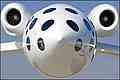
Поляки вот УТС себе новый сделали, "Искра" называется.
Внешне так очень неплохо выглядит.
www.gorpol.krakow.pl/lotnictwo/bielik/oblot/bielik-oblot.html
http://www.gorpol.krakow.pl/lotnictwo/bielik/bielik.html

Due to the success of the US Apollo program landing the first man on the moon, few people remember that the USSR made the first soft landing of a spacecraft on the moon. When the USSR successfully launched Sputnik, the first man-made artificial earth satellite, on October 4, 1957, it caught the world by surprise and caused great consternation in the free world. The US was perceived to be far behind the USSR in space. This led to the formation of the National Aeronautics and Space Administration (NASA) and President Kennedy's pledge to land men on the moon and safely return them by the end of 1969. Although the USSR program was shrouded in secrecy, it was widely thought that they had a similar goal. The race to the moon was definitely on.
In order to land a man on the moon, one first had to study the lunar surface and then develop the proper system to achieve that goal. At that time, there was great speculation on whether the lunar surface could support a spacecraft. Indeed, some scientists believed that the moon was covered with hundreds of meters of dust while others posited a fragile honeycomb structure incapable of sustaining the weight of a spacecraft. As a result, both the US and USSR sent many probes to the moon. Each of these probes transmitted back information before going into orbit around the moon, going off into space, or crash-landing on the moon and self-destructing.
The USSR landed the first lunar probe in 1959. This was followed by five landings by the US between April 1962 and March 1965. Then the USSR landed their second, third, and fourth probes in rapid succession between May and December of 1965. This spate of activity raised eyebrows, but the real surprise came two months later.
On February 3, 1966, the USSR shocked the world by making the first soft lunar landing and transmitting signals from the spacecraft. The spacecraft was named Luna 9 in the USSR program.
Sir Bernard Lovell, director of t…
Дальше »»»

In order to land a man on the moon, one first had to study the lunar surface and then develop the proper system to achieve that goal. At that time, there was great speculation on whether the lunar surface could support a spacecraft. Indeed, some scientists believed that the moon was covered with hundreds of meters of dust while others posited a fragile honeycomb structure incapable of sustaining the weight of a spacecraft. As a result, both the US and USSR sent many probes to the moon. Each of these probes transmitted back information before going into orbit around the moon, going off into space, or crash-landing on the moon and self-destructing.
The USSR landed the first lunar probe in 1959. This was followed by five landings by the US between April 1962 and March 1965. Then the USSR landed their second, third, and fourth probes in rapid succession between May and December of 1965. This spate of activity raised eyebrows, but the real surprise came two months later.
On February 3, 1966, the USSR shocked the world by making the first soft lunar landing and transmitting signals from the spacecraft. The spacecraft was named Luna 9 in the USSR program.
Sir Bernard Lovell, director of t…
Дальше »»»


http://www.bnl.gov/bnlweb/pubaf/pr/2003/bn...bnlpr052803.htm
A PLASMA VALVE, a device that uses electrically charged particles to
act as a barrier between air and vacuum, has been invented by a
Brookhaven-Argonne collaboration. These two DOE labs joined forces
to provide a needed component for Argonne's Advanced Photon Source
and similar facilities worldwide. Inside the walls of
accelerators, synchrotrons and storage rings, a good vacuum-empty
space mostly devoid of matter-enables particle beams to travel
unimpeded for hours. However, if a leak causes air to rush into the
vacuum, the particle beam spreads out and deposits its energy onto
surrounding walls, disrupting the beam and damaging valuable
equipment. The faster the leak can be closed, the less
damage will be done to the walls. The plasma valve, which has no
moving parts, can activate in a nanosecond, a million times faster
than mechanical valves. To keep air from rushing in, the
Brookhaven-Argonne team create a dense, high-temperature plasma
(collection of charged particles) held together by electric and
magnetic fields. Housed inside a hollow copper cylinder, the plasma
reaches a temperature of 15,000 degrees Kelvin (about 50 times
greater than room temperature)-making the plasma particles bounce
around so vigorously that they collide with air molecules and
prevent them from passing into the vacuum. Moreover, the valve's
confining electromagnetic fields prevent the plasma itself from
rushing into the vacuum.
A PLASMA VALVE, a device that uses electrically charged particles to
act as a barrier between air and vacuum, has been invented by a
Brookhaven-Argonne collaboration. These two DOE labs joined forces
to provide a needed component for Argonne's Advanced Photon Source
and similar facilities worldwide. Inside the walls of
accelerators, synchrotrons and storage rings, a good vacuum-empty
space mostly devoid of matter-enables particle beams to travel
unimpeded for hours. However, if a leak causes air to rush into the
vacuum, the particle beam spreads out and deposits its energy onto
surrounding walls, disrupting the beam and damaging valuable
equipment. The faster the leak can be closed, the less
damage will be done to the walls. The plasma valve, which has no
moving parts, can activate in a nanosecond, a million times faster
than mechanical valves. To keep air from rushing in, the
Brookhaven-Argonne team create a dense, high-temperature plasma
(collection of charged particles) held together by electric and
magnetic fields. Housed inside a hollow copper cylinder, the plasma
reaches a temperature of 15,000 degrees Kelvin (about 50 times
greater than room temperature)-making the plasma particles bounce
around so vigorously that they collide with air molecules and
prevent them from passing into the vacuum. Moreover, the valve's
confining electromagnetic fields prevent the plasma itself from
rushing into the vacuum.

 Помогите, пожалуйста.
P.S.: Сеть под управлением Win2000 Server.


Каждый форум имеет свои, вот и я решил попробовать организовать у нас. Надеюсь всем будет интересно
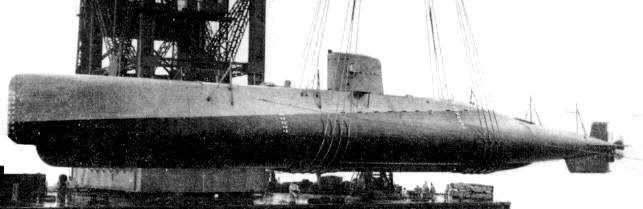
Итак. Что за ПЛ на фотографии?
Кто на кого похож?
http://www.winternet.com/~mikelr/flame1.html
Найди соответствующего себе персонажа
http://www.winternet.com/~mikelr/flame1.html
Найди соответствующего себе персонажа

Вернее отвязать ее от загрузки баннеров? Снова ГлобоКлики глючат, и каждая страница грузится до посинения.

Как насчет грузить вместо баннера пустую картинку с Авиабазы, а затем вызывать жабаскриптом загрузку и замену его на нормальный баннер по onLoad?
[/span]
| CODE |
| Created with colorer-take5 library. Type 'html' [color=#5f5035; ]<[/color][color=#a65700; ]html[/color][color=#5f5035; ]>[/color] [color=#5f5035; ]<[/color][color=#a65700; ]head[/color][color=#5f5035; ]>[/color] [color=#5f5035; ]<[/color][color=#a65700; ]title[/color][color=#5f5035; ]>[/color]test[color=#5f5035; ]</[/color][color=#a65700; ]title[/color][color=#5f5035; ]>[/color] [color=#5f5035; ]</[/color][color=#a65700; ]head[/color][color=#5f5035; ]>[/color] [color=#5f5035; ]<[/color][color=#a65700; ]body[/color] [color=#074726; ]onLoad[/color]=[color=#0000e6; ]'LoadBanner()'[/color][color=#5f5035; ]>[/color] [color=#074726; ]<[/color]script language[color=#074726; ]=[/color][color=#074726; ]"[/color]JavaScript[color=#074726; ]"[/color]>[color=#074726; ]<[/color][color=#074726; ]![/color][color=#074726; ]-[/color][color=#074726; ]-[/color] function LoadBanner[color=#074726; ]([/color][color=#074726; ])[/color] [color=#074726; ]{[/color] newbanner [color=#074726; ]=[/color] new Image[color=#074726; ]([/color][color=#074726; ])[/color][color=#074726; ];[/color] newbanner[color=#008c00; ].[/color]src [color=#074726; ]=[/color] [color=#074726; ]"[/color]images[color=#074726; ]/[/color]banner[color=#008c00; ].[/color]jpg[color=#074726; ]"[/color][color=#074726; ];[/color] document[color=#074726; ][[/color][color=#074726; ]"[/color]banner[color=#074726; ]"[/color][color= |
Дальше »»»

Слово «конспирация» означает заговор. Искусство конспирации состоит в умении проводить заговоры «тайно» и доводить их до успешного конца. Это искусство имеет свои ненарушимые правила: кто их не соблюдает, тот губит свое начинание, а может быть, и себя самого, и всех доверившихся ему близких и далеких единомышленников. Здесь дилетантство равносильно провалу и гибели.
Вообразим, что ко мне является видный агент НКВД и говорит: «Мы, заговорщики в НКВД, готовы произвести переворот в Советском государстве и установить русское национальное правительство, если вы, эмигранты, обещаете нам исполнять теперь же все наши указания, а потом дать нам всем полную амнистию и войти в наше правительство!» — Я, конечно, даю ему высказаться. Что надо ответить ему?
«Почему вы избрали меня для сообщения мне вашей тайны? Разве я являюсь вашим безусловным единомышленником, которому можно доверить такую тайну? Чтобы быть вашим единомышленником, я должен был бы знать все ваши сокровенные замыслы против эмиграции, которые вы профессионально обязаны иметь. Как и чем вы докажете мне, что вы сейчас говорите со мной не как профессиональный провокатор из НКВД, а как национально мыслящий патриот? Какое же единомыслие возможно между нами? Единомыслие предполагает твердомыслие с двух сторон. Если принять, что мое твердомыслие доказано моим прошлым, то ваше твердомыслие погибло навсегда в вашей провокаторской деятельности. Вы уже никогда не будете верить себе самому. Какой же возможен заговор при отсутствии единомыслия и твердомыслия? Разве только заговор друг против друга»...
«Откуда у вас берется такое безусловное доверие ко мне, что вы решаетесь сообщить мне такую опасную тайну? Откуда вы знаете, что я не болтлив и не хвастлив? Что я не разболтаю ваш заговор устно или в печати? Откуда вы знаете, что среди моих знакомых нет ваших же, засекреченных от вас агентов, которые немедленно выдадут вас вашему начальству? Почему вы считаете меня таким глупцом, который способен…
Дальше »»»
Вообразим, что ко мне является видный агент НКВД и говорит: «Мы, заговорщики в НКВД, готовы произвести переворот в Советском государстве и установить русское национальное правительство, если вы, эмигранты, обещаете нам исполнять теперь же все наши указания, а потом дать нам всем полную амнистию и войти в наше правительство!» — Я, конечно, даю ему высказаться. Что надо ответить ему?
«Почему вы избрали меня для сообщения мне вашей тайны? Разве я являюсь вашим безусловным единомышленником, которому можно доверить такую тайну? Чтобы быть вашим единомышленником, я должен был бы знать все ваши сокровенные замыслы против эмиграции, которые вы профессионально обязаны иметь. Как и чем вы докажете мне, что вы сейчас говорите со мной не как профессиональный провокатор из НКВД, а как национально мыслящий патриот? Какое же единомыслие возможно между нами? Единомыслие предполагает твердомыслие с двух сторон. Если принять, что мое твердомыслие доказано моим прошлым, то ваше твердомыслие погибло навсегда в вашей провокаторской деятельности. Вы уже никогда не будете верить себе самому. Какой же возможен заговор при отсутствии единомыслия и твердомыслия? Разве только заговор друг против друга»...
«Откуда у вас берется такое безусловное доверие ко мне, что вы решаетесь сообщить мне такую опасную тайну? Откуда вы знаете, что я не болтлив и не хвастлив? Что я не разболтаю ваш заговор устно или в печати? Откуда вы знаете, что среди моих знакомых нет ваших же, засекреченных от вас агентов, которые немедленно выдадут вас вашему начальству? Почему вы считаете меня таким глупцом, который способен…
Дальше »»»

Ст. 1. В порядке Божьего изволения возникшее, Божьим Промыслом в веках ведомое, Российское Государство утверждается как установление по духу своему христианское и национальное, призванное ко хранению и осуществлению закона правды в жизни российских народов.
Ст. 2. Российское Государство есть правовое единство, священное, исторически преемственное, властное и действенное. Оно покоится на братском единении русских людей, на их верности Богу, Отечеству, государственной власти и закону.
Ст.3. Российское Государство едино и нераздельно. Оно имеет единый состав граждан, определяемый законом; единую, законом очерченную территорию, единую государственную власть, строение коей устанавливается основным законом, единый свод законов, в который включаются и все местные своды.
Всякое произвольное выхождение граждан из состава государства, всякое произвольное расчленение территории, всякое образование самостоятельной или новой государственной власти, всякое произвольное создание новых, основных или обыкновенных законов - объявляется заранее недействительным и наказуется по всей строгости уголовного закона как измена или предательство.
Ст. 4. Российское Государство есть правовой союз. Каждый русский гражданин имеет свои неприкосновенные права, свои установленные обязанности, свои ненарушимые запретности, все это устанавливается законом, ограждается властью и судом. Всякое беззаконие, превышение власти, вымогательство и произвол преследуются. Праву подчинены все без исключений. Основы правопорядка обязательны для всех.
Ст. 5. Российское Государство есть единство священное, ибо оно объединяет людей не только внешне, но и внутренне, не токмо за страх, но и за совесть, не токмо перед лицом всех людей, но и перед лицом Божиим. Российское Государство служит делу Божьему на земле: оно ограждает и обслуживает жизнь русского национального духа в его единстве и в его всенародно…
Дальше »»»
Недавно фонд "Общественное мнение" провел восхитительный по замыслу опрос.
У полутора тысяч граждан из 44 субъектов Федерации спросили: как вы относитесь к Партии справедливости и порядка (ПСИП). 6% ответили, что положительно, а 3% - отрицательно. 14% опрошенных выразили готовность проголосовать за ПСИП на предстоящих парламентских выборах. Это фактически третий результат на сегодня после КПРФ и "Единой России". В принципе опрос как опрос, если бы не одна деталь: такой партии не существует и никогда не существовало. Люди просто отреагировали на "правильные слова", на звуки. Восхищает то, что 1% опрошенных граждан заявили, что знают такую партию, а десять - что-то слышали. Надо сказать, что ФОМ в своем опросе вычислял также; сторонники каких известных партий готовы переметнуться в объятия несуществующей политической организации. Получилась очень интересная картина политической лояльности. Если 14% приверженцев партии-фантома - это средняя цифра, то среди сторонников КПРФ и ЛДПР таких только 10 и 12%. А вот среди "яблочников" ненадежных оказалось 20%, в рядах СПС вообще караул - 30% готовых переметнуться к партии, которая ничего не сделала, ничего не провозгласила, ничего не добилась, даже не возникла вообще. У "Единой России" положение лучше, чем у СПС или "Яблока", но существенно хуже, чем у КПРФ и ЛДПР. 18% "единороссов" - потенциальные избиратели ПСИП.
........ 14% идущих за пустым звуком... Такова политическая фонетика нашей жизни.

У полутора тысяч граждан из 44 субъектов Федерации спросили: как вы относитесь к Партии справедливости и порядка (ПСИП). 6% ответили, что положительно, а 3% - отрицательно. 14% опрошенных выразили готовность проголосовать за ПСИП на предстоящих парламентских выборах. Это фактически третий результат на сегодня после КПРФ и "Единой России". В принципе опрос как опрос, если бы не одна деталь: такой партии не существует и никогда не существовало. Люди просто отреагировали на "правильные слова", на звуки. Восхищает то, что 1% опрошенных граждан заявили, что знают такую партию, а десять - что-то слышали. Надо сказать, что ФОМ в своем опросе вычислял также; сторонники каких известных партий готовы переметнуться в объятия несуществующей политической организации. Получилась очень интересная картина политической лояльности. Если 14% приверженцев партии-фантома - это средняя цифра, то среди сторонников КПРФ и ЛДПР таких только 10 и 12%. А вот среди "яблочников" ненадежных оказалось 20%, в рядах СПС вообще караул - 30% готовых переметнуться к партии, которая ничего не сделала, ничего не провозгласила, ничего не добилась, даже не возникла вообще. У "Единой России" положение лучше, чем у СПС или "Яблока", но существенно хуже, чем у КПРФ и ЛДПР. 18% "единороссов" - потенциальные избиратели ПСИП.
........ 14% идущих за пустым звуком... Такова политическая фонетика нашей жизни.
 Покорение Чечни Вооруженными Силами Юга России в марте - апреле 1919 г #05.06.2003 20:51 // Закрытый
Покорение Чечни Вооруженными Силами Юга России в марте - апреле 1919 г.
Мало кто до сих пор знает о том, что силы генерал-лейтенанта А.И. Деникина в марте-апреле 1919 г. провели маленькую победоносную кавказскую войну в Чечне, поскольку большевики обещанием предоставить чеченцам независимость переманили их на свою сторону. Эта кампания была спровоцирована большевиками, рассчитывавшими на то, что чеченцы нанесут смертельный удар в спину Белой армии. К тому времени большевики привлекли большую часть чеченцев на свою сторону проведением политики геноцида в отношении терского казачества, передачей значительной территории Терского войска горцам и обещанием предоставить независимость. Удивительно, но факт: большевики и чеченцы в своей неистовой злобе к казакам забыли о том, что у них, в принципе, разная идеология. Если первые кичились своим отрицанием Бога, то вторые, наоборот, всячески пытались выставить свою религиозность напоказ. Интересно, что "религиозные" чеченцы пошли тогда на союз с большевиками, проповедовавшими богоборческую, сатанинскую идеологию. Что называется, "хоть с чертом, но против казаков и белых", а главное, религия оправдает их насилия над "неверными".
Задача покорения Чечни, поставленная Деникиным, представлялась почти невыполнимой. Деникин не мог снять войска с фронта. Донским казакам, из последних сил сдерживавшим напор красных под Новочеркасском, требовалась неотложная помощь. С Царицынского направления снять также было нечего: там требовались подкрепления для окончательного разгрома сил красных, отходящих с Кавказа на Астрахань. Бросить же Чечню в том состоянии, в котором она находилась, означало оставить у себя в тылу опасный очаг нестабильности и большевизма. В этом случае терские казаки отказались бы покидать родные станицы и идти на войну против большевиков за пределы Терской области, мотивируя это потребностью защитить свои дома и семьи. В то время все, кто мог держать в руках оружие, день и ночь охраняли св…
Дальше »»»
Мало кто до сих пор знает о том, что силы генерал-лейтенанта А.И. Деникина в марте-апреле 1919 г. провели маленькую победоносную кавказскую войну в Чечне, поскольку большевики обещанием предоставить чеченцам независимость переманили их на свою сторону. Эта кампания была спровоцирована большевиками, рассчитывавшими на то, что чеченцы нанесут смертельный удар в спину Белой армии. К тому времени большевики привлекли большую часть чеченцев на свою сторону проведением политики геноцида в отношении терского казачества, передачей значительной территории Терского войска горцам и обещанием предоставить независимость. Удивительно, но факт: большевики и чеченцы в своей неистовой злобе к казакам забыли о том, что у них, в принципе, разная идеология. Если первые кичились своим отрицанием Бога, то вторые, наоборот, всячески пытались выставить свою религиозность напоказ. Интересно, что "религиозные" чеченцы пошли тогда на союз с большевиками, проповедовавшими богоборческую, сатанинскую идеологию. Что называется, "хоть с чертом, но против казаков и белых", а главное, религия оправдает их насилия над "неверными".
Задача покорения Чечни, поставленная Деникиным, представлялась почти невыполнимой. Деникин не мог снять войска с фронта. Донским казакам, из последних сил сдерживавшим напор красных под Новочеркасском, требовалась неотложная помощь. С Царицынского направления снять также было нечего: там требовались подкрепления для окончательного разгрома сил красных, отходящих с Кавказа на Астрахань. Бросить же Чечню в том состоянии, в котором она находилась, означало оставить у себя в тылу опасный очаг нестабильности и большевизма. В этом случае терские казаки отказались бы покидать родные станицы и идти на войну против большевиков за пределы Терской области, мотивируя это потребностью защитить свои дома и семьи. В то время все, кто мог держать в руках оружие, день и ночь охраняли св…
Дальше »»»
Здраствуйте!!!!
Обращаюсь в первую очередь к Фаготу.
Прошу принять участие в форуме посвящённого конфликту 1982 года
http://www.borda.ru/index.pl?tsusima5
Форум не совсем живой, но всеми силами пытаюсь его поддерживать. Буду рад, если Вы примете участие в наших дискуссиях
С уважением, Георгий
Обращаюсь в первую очередь к Фаготу.
Прошу принять участие в форуме посвящённого конфликту 1982 года
http://www.borda.ru/index.pl?tsusima5
Форум не совсем живой, но всеми силами пытаюсь его поддерживать. Буду рад, если Вы примете участие в наших дискуссиях
С уважением, Георгий
Болшая Советская Энциклопедия, том 1, Москва, 1929.
Copyright © Balancer 1997..2026
Связь с владельцами и администрацией сайта: anonisimov@gmail.com, rwasp1957@yandex.ru и admin@balancer.ru.
Связь с владельцами и администрацией сайта: anonisimov@gmail.com, rwasp1957@yandex.ru и admin@balancer.ru.
