-
Блоги


140466>Мне смешно.
 Ну если я про это говорил, то это не значит, что я это говорил. Вы меня просто не так поняли.
Вы в следующий раз помечайте абзацы, от которых потом будет открешиваться в стиле "я это говорил, но я это не говорил"(это не бред, это вы только что сами написали). Я эти абзацы буду выкидывать из квотинга не читая.
Исаев Алексей>>А кто говорит что некрасивая? С чисто эстетической точки зрения мне угловатые немецкие танки не очень нравятся. Хотя за гладкий дизайн приходилось расплачиваться теснотой башни.
140466>Я написал это для того, чтобы никто не подумал, что я специально одни достоинства оставил и что-то урезал.
И это правильно. Но дизайн это еще не все. Более успешной, чем гладенькая 34-ка 41-го был танк Т-34 с "гайкой".
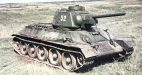
"пи" это среднее преувеличение, стандарт для всех.
1:0 это по мемуару. Что было до этого и каковы потери бригады Катукова в том бою точно можно посмотреть по документам.
Исаев Алексей>>А Вы говорите неуязвимый.
140466>Не про Т-34. Кстати сдесь он не загорелся и не получил фатальных повреждений.
Дык это только в фильмах танки от одного попадания взрываются.
…
Дальше »»»

Zed
новичок
Иьм лоокинг фор ас муч информатион ас поссибле он тхис енгине. Иьм доинг ресеарч инто хи-быпасс енгинес, бут и цан финд литтле информатион он тхис енгине...цан анёне хелп?
Тханкс
З

На Rezun-Suvorov 2
Я не стал отвечать вчера этому вопросу, но получил несколько приватных вопросов
Что такое 192.168.ххх.ххх?
Коротко: это одна из областей IP адрессов, зарезервированные для внутренных сетей. Полный диапазон:
10.ххх.ххх.ххх (префикс 10/8) - 1 сеть класса A
172.(16...31).ххх.ххх (префикс 172.16/12) 16 сетей класса B
192.168.ххх.ххх (префикс 192.168/16) 256 сетей класса C
Другими словами, когда админ назначает IP адресса сетевых адаптеров, то он должен выбрать их из указанных диапазонов.
У меня, как и у многих, сеть класса C и адресса тачек из диапазона 192.168.0.ххх.
Вот почему я сказал, что легко запомню подобный ник.
А более подробно о TCP/IP на русском я читал тут. Конечно, есть много еще документации, но админу мелкой сетки (до 255 машин )с выходом в инет через одну точку это хватит.
Номерному товарищу:
И, конечно, если у тебя одна машина, нет ничего зазорного не знать вообще, что это такое. Лично я узнал менее 2-х лет назад, как админом стал. До этого как-то обходился …
…
Дальше »»»
quote:
varban> И еще замечание номерному* товарищу:
[skip]
varban> * Ну что делать, не запомню я твой ник, пока не поменяешь. Если будешь брать опять номерной, рекомендую из области 192.168.ххх.ххх - так запомню
140466> Да я и не обижаюсь, меня все так называют. А почему из этой области?
Я не стал отвечать вчера этому вопросу, но получил несколько приватных вопросов
Что такое 192.168.ххх.ххх?
Коротко: это одна из областей IP адрессов, зарезервированные для внутренных сетей. Полный диапазон:
10.ххх.ххх.ххх (префикс 10/8) - 1 сеть класса A
172.(16...31).ххх.ххх (префикс 172.16/12) 16 сетей класса B
192.168.ххх.ххх (префикс 192.168/16) 256 сетей класса C
Другими словами, когда админ назначает IP адресса сетевых адаптеров, то он должен выбрать их из указанных диапазонов.
У меня, как и у многих, сеть класса C и адресса тачек из диапазона 192.168.0.ххх.
Вот почему я сказал, что легко запомню подобный ник.
А более подробно о TCP/IP на русском я читал тут. Конечно, есть много еще документации, но админу мелкой сетки (до 255 машин
)с выходом в инет через одну точку это хватит.Номерному товарищу:
И, конечно, если у тебя одна машина, нет ничего зазорного не знать вообще, что это такое. Лично я узнал менее 2-х лет назад, как админом стал. До этого как-то обходился
 …
…
Дальше »»»

Marsianin
втянувшийся
(если есть
 ...)
...)Объе... тьфу... Всех ПРИВЕТСТВУЮ !
И для затравки вопрос: какую военную стратегию вы считаете самой совершенной ?
Как удалось узнать, на МАКСе впервые будет принимать непосредственное участие ведущий разработчик авиационных средств РЭБ - КНИРТИ (Калужский научно-исследовательский радиотехнический институт). Их разработки - Смальта, Сорбция etc. Так что интересующиеся смогут получить инфу из первых рук.
Да, чуть не забыл - у них совместная экспозиция с "сухими".
Да, чуть не забыл - у них совместная экспозиция с "сухими".

10 августа 2001 г.
Вертолет Ка-26 потерпел аварию и полностью сгорел в четверг вечером в поселке Каштан Красноярского края. Один из пилотов с тяжелыми ожогами доставлен в больницу. Об этом РИА "Новости" сообщил в пятницу оперативный дежурный Сибирского регионального центра МЧС.
По его словам, принадлежаший компании "Сибтранснефть" вертолет с двумя пилотами и двумя пассажирами на борту совершил облет нефтепровода в Боготольком районе Красноярского края. После этого экипаж совершил плановую посадку для дозаправки горючим на специальной вертолетной площадке в поселке Каштан.
Заполнив баки, пилот поднял машину в воздух, но неожиданный сильный порыв ветра отбросил ее на расположенный поблизости резервуар с бензином, который в результате удара разлился и вспыхнул. В огне вертолет полностью сгорел. Один пилот и два пассажира успели быстро покинуть его, и поэтому не пострадали. Сильные ожоги получил командир экипажа. Около 30 пожарных, прибывших вскоре на место происшествия, быстро погасили пламя.
Источник: Lenta.Ru

Полагаю правильным отделить дискуссию о ТТХ танков и иной техники 41-го года от вопросов стратегии и тактики сторон. Иначе мы запутаемся.
В качестве запала предлагаю ответ на постинг Алексея Исаева с 17-й страницы старого форума.
По словам главкома, перед ВВС остро стоит проблема модернизации имеющейся на вооружении техники. Для этого требуется финансирование в размере 2 миллиардов рублей. Кроме того, сказал главком, для восстановления достаточного количества летательных аппаратов требуется более 3 тысяч наименований деталей и запасных узлов на сумму 11 миллиардов рублей.
Вместе с тем, отметил Корнуков, существующий уровень финансирования ВВС не позволяет в полной мере решить поставленные перед этим видом вооруженных сил задачи. Главком, тем не менее, выразил надежду, что "если ВВС получат половину тех средств, которые мы запрашивали, то мы сумеем решить большинство стоящих сейчас перед нами проблем".
РБК. 10.08.2001, Берлин 01:59:14. Европейский аэрокосмический концерн EADS, несмотря на ухудшение мировой конъюнктуры, намерен наращивать объемы производства. Как заявил заместитель председателя правления концерна Райнер Хертрих, по объему заказов, который составляет в настоящее время 185 млрд. евро, EADS вышел на первое место по производству авиационной, космической и оборонной техники. В I полугодии 2001 г. оборот EADS вырос на 33% до 14 млрд. евро. В целом на 2001 г. планируется увеличение оборота на 20%, а прибыли - на 12%, пишет Sueddeutsche Zeitung.


Zyclon
новичок
 mail.ru пожалуйста. Особенно если есть материалы с анализом и итогами. Я очень прошу. Или источник укажите где достать можно.
Так были глухие леса в полосе наступление Гота(Да/Нет)?
С остальными вроде разобрались(Гепнер, Гудериан, Клейст).
Исаев Алексей>>Когда были-то? Танковые дивизии РККА кончились в Приграничном сражении, примерно до середины июля 1941-го.
Гарпунер>Ну Гетман воевал и в сентябре. Дело не в этом. Не дивизии кончились, а танки. Я, например, считаю неверным переход на бригадную организацию: штабов наплодили. Лучше было совершенствовать дивизии.
Которые рассыпались при их боевом применении? Танковые бригады как раз стали тем пробным камнем, на котором была отработана балансировка мотопехоты, танков и вспомогательных частей. Если танковый полк в самостоятельной атаке мог легко потерять 19 Т-34 в первые дни войны, то с танековой бригадой, в которой танки имели пехотную поддержку такого не происходило. Потом бригады стали теми кубиками, из которых собрали танковые корпуса(=танковой дивизии, в 1946-м их и переименовали в дивизии для ясности). Бригады были ростками правильной организационной структуры. Танковые дивизии правильными орг.структурами не были, что и показало их применение в первых боях. Плюс опыт командиров. Вначале научились управлять бригадами, потом корпусами, потом и до танковых армий доросли.
Гарпунер>41 ТД на 21 июня была во Владимире-Волынском. По КОВО-41 она рванула к Ковелю и увязла в болотах. Отступала же дивизия уже без танков.
Выдумками заниматься категорически не рекомендую.

Дальше »»»
Давайте посчитаем, какая реальная армия у нас может быть.
Шесть миллиардов баксов выделяются на военку. - Цифра из НВО текущий выпуск. В старых мехах и новому вину недолго прокиснуть / Концепции / Независимая газета
Если принять что это тоже деньги (...составляют лишь 2% от подобных затрат США. )
ТО! Какой численный состав, по всем родам войск с учетом сбалансированного состава, у нас может быть? С учетом того что:
пилоты тренируются - летают, танкисты, артилеристы - стреляют, корабли - плавают. И.т.д.
Ну возмем например Францию, у них есть все:
Ядерное есть.
Флот есть. Авианосец даже у причала стоит.
ВВС. И.т.д.
Сколько они денег тратят? Ну и по аналогии.... до нас доберемся с коэффициентом расп......тва в деньгах = 2.
С нетерпением, Joint.
Шесть миллиардов баксов выделяются на военку. - Цифра из НВО текущий выпуск. В старых мехах и новому вину недолго прокиснуть / Концепции / Независимая газета
Если принять что это тоже деньги (...составляют лишь 2% от подобных затрат США. )
ТО! Какой численный состав, по всем родам войск с учетом сбалансированного состава, у нас может быть? С учетом того что:
пилоты тренируются - летают, танкисты, артилеристы - стреляют, корабли - плавают. И.т.д.
Ну возмем например Францию, у них есть все:
Ядерное есть.
Флот есть. Авианосец даже у причала стоит.
ВВС. И.т.д.
Сколько они денег тратят? Ну и по аналогии.... до нас доберемся с коэффициентом расп......тва в деньгах = 2.
С нетерпением, Joint.
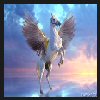
Тут может кто прокоментирует эту картинку ...

(напомните мне тупому - как можно сюда целые картинки вставлять, а то я чего-то вспомнить не могу ... :-(((()

Solar cells that "self assemble" from a liquid have
been developed by scientists at the University of
Cambridge. The breakthrough could make it cheap
and easy to cover large areas, like roofs, with
efficient, ultra-thin solar cell coatings.
"This is potentially very important," says Jenny
Nelson, an expert in solar cells at Imperial College in
London. "If you've got something in solution, you
could, in principle, put down very large areas of
photo-voltaic material very cheaply."
To make the solar cell solution, Lukas
Schmidt-Mende and his colleagues at Cambridge
took two chemicals called perylene and
hexabenzocoronene (HBC) and dissolved them in
chloroform.
They then poured some of the mixture onto a spinning
glass sheet coated with an alloy electrode. As the
chloroform evaporated, they found they were left with
a thin layer of material, just one tenth of a micron thick.
When they examined the layer closely, they found that
the perylene had risen to the top, while the HBC had
crystallised out at the bottom. Inside the layer, though,
needle-like crystals of perylene were mixed closely
with disc-shaped HBC molecules.
High efficiency
To test the material's efficiency as a solar cell, the
scientists evaporated a thin coating of aluminium on
top of the layer and measured the current between
this and the lower alloy electrode while shining a light
on it. "Organic materials normally have low
efficiencies, but we found we this was high - peaking
at 34 per cent," says Schmidt-Mende. The efficiency
is a measure of the amount of current produced for a
certain illumination.
The material works as a solar cell because as light
photons hit the layer, they knock electrons out of
molecules they co…
Дальше »»»
been developed by scientists at the University of
Cambridge. The breakthrough could make it cheap
and easy to cover large areas, like roofs, with
efficient, ultra-thin solar cell coatings.
"This is potentially very important," says Jenny
Nelson, an expert in solar cells at Imperial College in
London. "If you've got something in solution, you
could, in principle, put down very large areas of
photo-voltaic material very cheaply."
To make the solar cell solution, Lukas
Schmidt-Mende and his colleagues at Cambridge
took two chemicals called perylene and
hexabenzocoronene (HBC) and dissolved them in
chloroform.
They then poured some of the mixture onto a spinning
glass sheet coated with an alloy electrode. As the
chloroform evaporated, they found they were left with
a thin layer of material, just one tenth of a micron thick.
When they examined the layer closely, they found that
the perylene had risen to the top, while the HBC had
crystallised out at the bottom. Inside the layer, though,
needle-like crystals of perylene were mixed closely
with disc-shaped HBC molecules.
High efficiency
To test the material's efficiency as a solar cell, the
scientists evaporated a thin coating of aluminium on
top of the layer and measured the current between
this and the lower alloy electrode while shining a light
on it. "Organic materials normally have low
efficiencies, but we found we this was high - peaking
at 34 per cent," says Schmidt-Mende. The efficiency
is a measure of the amount of current produced for a
certain illumination.
The material works as a solar cell because as light
photons hit the layer, they knock electrons out of
molecules they co…
Дальше »»»
Hit in the bustle rack by another M-1
Left side: http://albums.photopoint.com/j/...
Right side (pardon the coffee stain): http://albums.photopoint.com/j/...
Close-up of the right side: http://albums.photopoint.com/j/...
Left side: http://albums.photopoint.com/j/...
Right side (pardon the coffee stain): http://albums.photopoint.com/j/...
Close-up of the right side: http://albums.photopoint.com/j/...
 за подробностями см 404 Not Found
Итак впечатления. Они противоречивы.
Графика -> 5-, иногда потрясает, иногда встречаеться как нечто само-собой разумеющееся, однако всегда и везде на очень высоком красивом уровне.
Звук -> 5, не заметил не одного провала.
Модели самолетов -> 5+, потрясяюще. Кокпиты тоже весьма и весьма порадовали, все реальные приборы все движеться и при этом удобно! Что-то вроде кокпита Фланкера, только реальное 3Д и реализованно получше.
Далее, интерфейс обыкновенный притензии есть, но это субъективное. Апринципе все простенько и со вкусом, хотя я видел и лучше.
АИ - действительно порадовал, но пока я с ним особо не сталкивался.
Атмосферные эффекты -> 5+, лучше не встречал. Небо выглядит именно так, как я мечтал долгие годы, смотря в реальное.
Ну а теперь главное субьектиное - воздушные бои.
1-ое что замечено, управление самолетом, в смысле клавишы - сделанно грамотно и достаточно удобно - на стандартной раскладке быстро понимаешь как ее перекроить под себя. Что вызвало гнев, удивление и т.п. - отсуствие настройки видой с места пилота через хатку джойстика. Никто не нашел как это сделать, а сделать это надо обязательно. Сам самолет управляеться... Ну с непривычки туго, а потом понимаешь как надо. Думаетьяс привыкнем и будем благодарить Ma…
Дальше »»»
9 августа 2001 г.
Стратегические планы развития аэрокосмической отрасли России направлены на ее интеграцию с аэрокосмической промышленностью Соединенных Штатов и Европы, сообщает Прайм-ТАСС.
Об этом сегодня заявил вице-премьер правительства РФ, председатель Оргкомитета 5-го Международного аэрокосмического салона МАКС-2001 Илья Клебанов.
"Наша принципиальная позиция - развивать сотрудничество в аэрокосмической области с ведущими американскими и западноевропейскими фирмами. Мы с большим желанием идем на интеграцию наших возможностей в производстве как авиационной, так и космической техники", - отметил вице-премьер.
"Формат сотрудничества с Европой и Соединенными Штатами примерно одинаков", - уточнил он.
По словам Ильи Клебанова, в рамках салона МАКС-2001, который открывается в подмосковном Жуковском 14 августа, будут продолжены переговоры об участии российских предприятий в создании новой западной авиационной техники.
Это, прежде всего сотрудничество с западноевропейским аэрокосмическим и оборонным концерном EADS по производству серийных пассажирских самолетов консорциума Airbus Industrie, а также по проектам разработки новой техники, в частности создания самолета с большой пассажировместимостью A-380, а также военно-транспортного самолета A-400М. Большой объем работ предусматривается также в космической области.
Вице-премьер отметил, что в рамках широкомасштабного соглашения с американской фирмой Boeing подписан меморандум о разработке и производстве регионального самолета. В работах по этому проекту вместе с Boeing примут участие компания "Ильюшин" и корпорация "Сухой".
9 августа 2001 г.
Казахстанский пассажирский самолет "Боинг-737", следовавший рейсом Алма-Ата - Астана, совершил аварийную посадку. Как сообщает Издательский дом "Коммерсант", на борту лайнера находились 90 пассажиров и восемь членов экипажа.
Самолет вынужден был вернуться в Алма-Ату, так как через пять минут после взлета у него отказал генератор левого двигателя. Спустя еще примерно 25 минут летчикам удалось посадить "Боинг". Аварийная посадка прошла благополучно, жертв и пострадавших нет.
Источник: Lenta.Ru

Dilettante
новичок
Не стоит делать два топика с одинаковыми именами.
varban
Да я, признаюсь, не хотел.

Хотел на старый топик сообщение отправить, и случайно сделал новый (я только зарегистрировался). Виноват`с...
Этот я бы убрал, да полномочий нету, так что дело за вами
.Dilettante
Накануне Дня Военно-воздушных сил, который отмечается 12 августа, главнокомандующий ВВС генерал армии Анатолий Корнуков сделал заявление, которое праздничным назвать нельзя. По его словам, доля новых самолетов в войсках составляет не более 5%, а для восстановления неисправных машин требуются запасные части примерно трех тысяч наименований на общую сумму более 11 млрд руб., которых из казны в ближайшее время не дождаться. А вот авиастроители, наоборот, получили приятное известие. Главнокомандующий ВВС Индонезии маршал Аснан назвал среди приоритетов в модернизации вооруженных сил - обновление авиационного парка за счет поставок нескольких десятков новейших многофункциональных истребителей Су-30. Эта сделка уже обговаривалась несколько лет назад. Но осуществить ее индонезийцам помешал азиатский кризис 1997г. Теперь контракт, вероятнее всего, будет заключен. Джакарте необходимо закрыть небо над архипелагом Натуна, где располагается крупнейшее в регионе месторождение газа. Для этого потребовался мощный истребитель с большим радиусом действия. Су -30 (новая модификация перехватчика Су-27) отвечает этим требованиям. Самолеты подобного класса Су-30МКК уже поставляются в Китай. Всего КНР заказала 76 таких машин. Также подписан контракт на производство для Индии 40 перехватчиков Су-30МКИ. Первые машины перелетят в эту страну уже в четвертом квартале этого года. Кроме того, с Дели заключено соглашение стоимостью свыше 3 млрд долл., предусматривающее лицензионное производство на индийских заводах 140 истребителей Су-30МКИ. Российские Военно-воздушные силы за все последние десять лет получили, как уклончиво говорит А.Корнуков, всего "несколько боевых самолетов". И в этом нет ничего удивительного: авиационная составляющая военного бюджета опустилась ниже 12%. В сложившейся ситуации выход только один - модернизация самолетов. Совершенствование дальней авиации планируется вести путе…
Дальше »»»


"3 июля 2001 года в 2 часа 10 минут по местному времени при заходе на посадку, ночью, в простых метеоусловиях, в районе аэродрома Иркутск произошло тяжелое авиационное происшествие с самолетом "Ту-154"-85845, эксплуатировавшимся авиакомпанией "Владивосток-авиа"...
В процессе выполнения третьего разворота метка самолета пропала на экране диспетчерского радиолокатора. Организованными поисками самолет был обнаружен на азимуте 138 градусов и удалении 22 км от аэродрома Иркутска, в районе населенного пункта Бурдаковка, полностью разрушенным и частично сгоревшим. Все находившиеся на борту погибли.
Предварительные сведения по материалам обнаруженных речевых и параметрических самописцев позволяют сделать описание событий, предшествовавших авиационному происшествию.
В 16.49 экипаж приступил к снижению с эшелоном 10 100 для посадки в аэропорту Иркутска.
В 16.58 самолет прошел контрольный пункт Раздолье на удалении 104 км от третьего разворота для МКПОС=295 градусов на высоте 5700 м. Диспетчер УВД сообщил экипажу азимут и удаление от аэродрома и разрешил снижение до 2700 м, а через 3,5 мин. до высоты 2100 м. При подходе к высоте 2100 м экипаж получил разрешение на снижение до высоты 900 м по давлению 710 в район третьего разворота. В процессе снижения на траверзе ВПП и боковом отклонении 11 км экипаж сообщил о том, что наблюдает ВПП визуально, после чего были выпущены интерцепторы, установлено давление 710 мм рт. ст., а на скорости 420 - 425 км/ч и высоте 1000 м интерцепторы убраны.
Снижение выполнялось с включенным по каналам тангажа и крена автопилотом. Курс полета постепенно увеличивался с 110 до 120 градусов, а тангаж от 4 до +1 градуса. По достижении скорости 360 - 365 км/ч на высоте около 1000 м экипаж выпустил шасси и получил команду на выполнение третьего разворота со снижением к четвертому до 850 м. Для выполнения третьего р…
Дальше »»»

McSeem
втянувшийся
8 августа 2001 г.
Агентство НАСА опубликовало первую часть наиболее точной из когда-либо созданных трехмерных карт Земли. Она была построена с помощью полученных в ходе полета космического шаттла радиолокационных данных.
Одиннадцатидневная миссия шаттла Индевор, прошедшая в феврале 2000 года, окончилась получением примерно миллиарда измерений земной поверхности. В своей работе космонавты использовали специальную стрелу-радар длиной 60 метров, с каждой стороны которой были закреплены сенсоры. Собранные данные о форме земной поверхности имеют объем в несколько терабайт.
Использование радара позволило проводить эксперименты в ночное время и при большой облачности. Первым, представленным публике участком карты, стала часть штата Колорадо, площадью 20500 кв. км.
Организаторами проекта является Национальное агентство по видовой съемки и картографии (NIMA), НАСА, а так же немецкие и итальянские космические агентства.
Константин Зайцев
(по материалам BBC)
Источник: xTerra.Ru
 Зарубежные ракетные двигатели, топливо. Новости #08.08.2001 20:36 // Новости околоземной космонавтики
8 августа 2001 г.
На днях компания XCOR Aerospace провела демонстрацию маневрового двигателя, который работает на нетоксичном топливе. Предполагается, что такое топливо заменит гидразин и другие токсичные вещества. В демонстрации участвовал полномасштабный прототип двигателя с системой регенеративного охлаждения. Его тяга составляет около 22 Н. Двигатель был разработан с "чистого листа" за пять месяцев по контракту с NASA.
Е. Волынкина
(по материалам Spacemart)
Источник: РОЛ
Copyright © Balancer 1997..2026
Связь с владельцами и администрацией сайта: anonisimov@gmail.com, rwasp1957@yandex.ru и admin@balancer.ru.
Связь с владельцами и администрацией сайта: anonisimov@gmail.com, rwasp1957@yandex.ru и admin@balancer.ru.